Typography Books
74 directory entries in this category
-
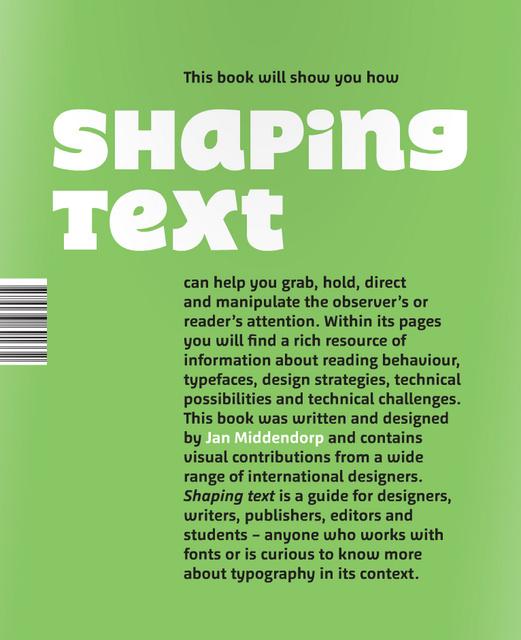
Shaping Text takes a practical and broad approach to typography. It is aimed at design students and graphic designers, and also at those who are concerned with content: writers, editors, and publishers. Showing a wide range of examples from first-rate designers across the world, the book examines why and how typographic designs work well in a given context. Particular attention is given to the team play between the text itself—written language—and the design—the shaping of the text—to form a new
-
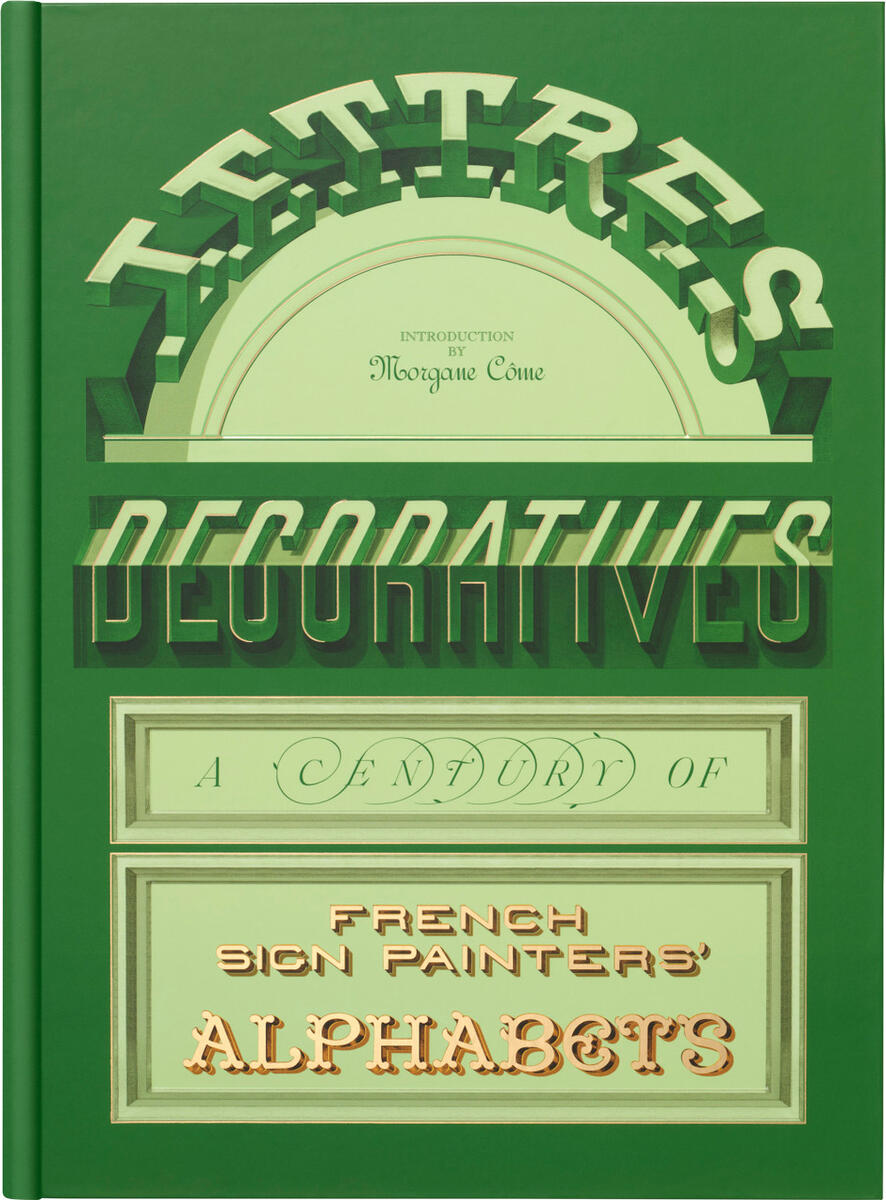
From the Age of La Peinture en Lettres — A kaleidoscopic survey of letterforms from nineteenth- and twentieth-century France, Lettres Décoratives includes more than 150 plates from grand lithographic albums printed at the height of the sign painter’s craft. Originally made to demonstrate styles and inspire artists to decorate cities with increasingly colorful, adventurous, and refined forms, these portfolios preserve a rich visual history of urban alphabets. An introduction by practitioner Morga
-
For at least a dozen years, Luca Lattuga has been collecting and cataloguing metal and wooden movable type produced in Italy between the 1920s and 1940s. During his research, he rediscovered a recurring and consistent style, hitherto little considered, that characterized that period. Although widespread at the time, this style, which originated in the printing workshops, remained in the shadows for decades. These lesser-known typefaces coexisted alongside the famous types from historic foundries
-
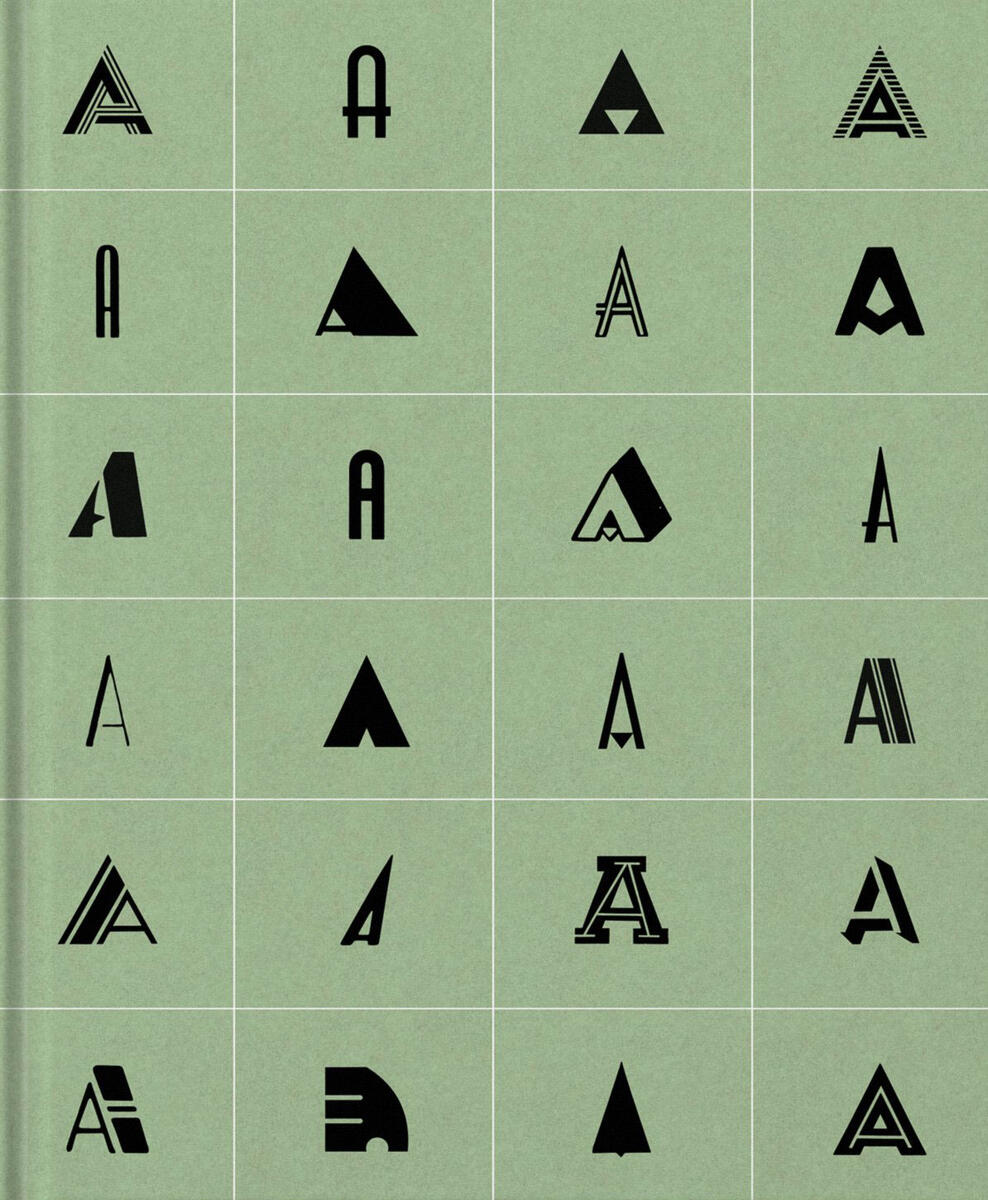
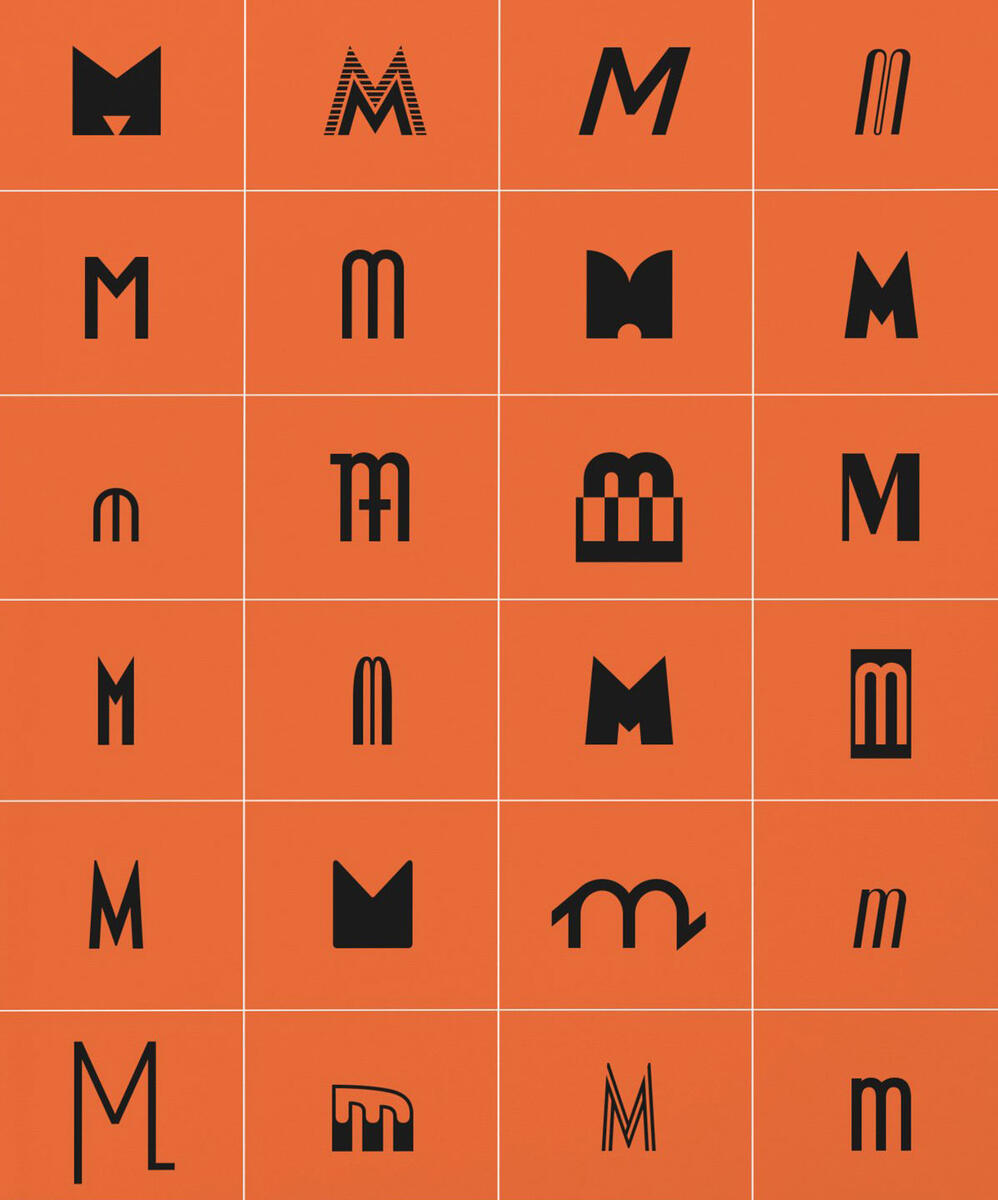
Alfabeti Modernisti Type Specimens illustrates twenty-five digital revivals based on wooden and lead typefaces produced in Italy in the 1930s and 1940s, documenting a research and enhancement project that intertwines memory and design and gives new voice to a little-explored chapter of Italian graphic design. Very popular at the time but now forgotten, the typefaces have been recovered by Luca Lattuga over a period of more than ten years. Reissued by the CAST type foundry, available for purchase
-
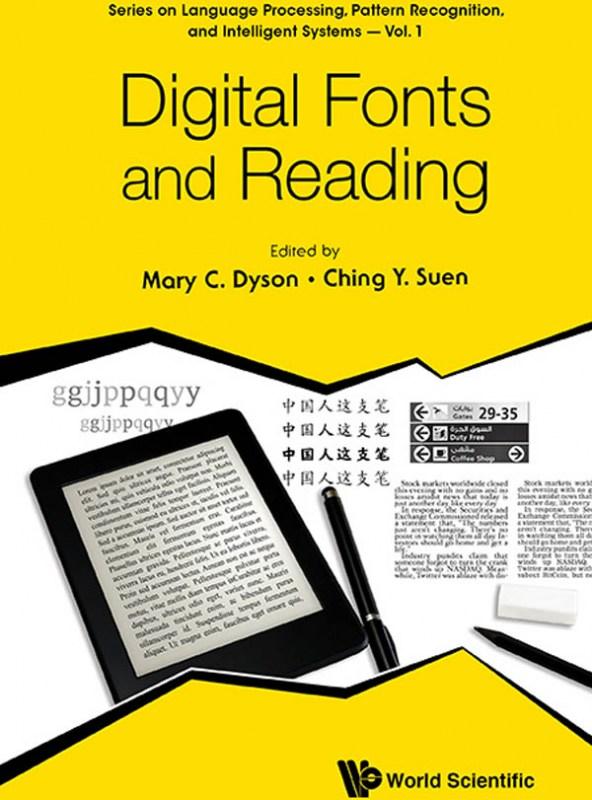
The book is a collection of invited chapters by renowned experts and is part of a series on Language Processing, Pattern Recognition, and Intelligent Systems. The content is wide-ranging, encompassing perspectives from computer science to social science to design and reflecting the considerable experience of researchers, teachers and practitioners. This diversity offers rigorous approaches to the topic of Digital fonts and reading, organised in four sections: vision and reading; scientific appro
-
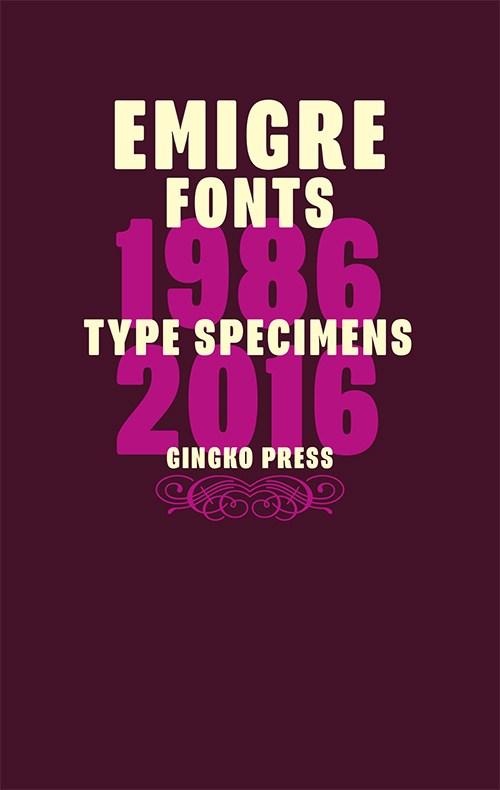
This book is a 752-page compilation celebrating the art of the type specimen. It features reprints of Emigre's most remarkable specimen designs covering a period of 30 years. Besides displaying the virtues of the fonts and revealing the processes used to design them, these specimens go beyond their primary function as sales tools and can be enjoyed as much for the typefaces as for their esoteric content. If your collection of Emigre's popular type specimens is incomplete, or if you've missed out
-
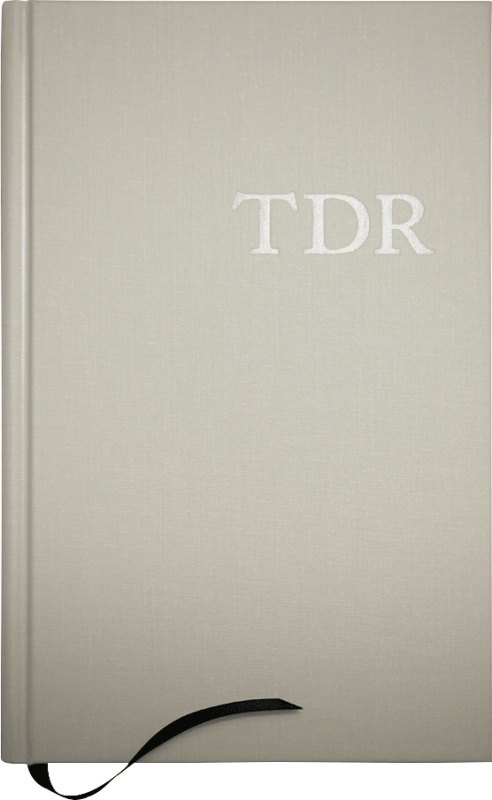
A reference guide of typographic terms and classification with definitions of form and usage for Latin based writing systems. The TDR is an encyclopedia, listing countless entries on the typographic arts. http://typedeskref.com/
-
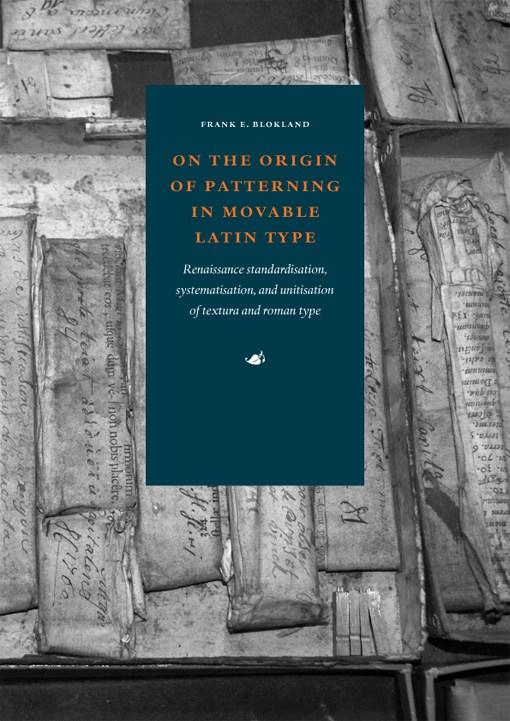
In 2016 type designer, software developer, and lecturer Frank E. Blokland successfully defended this PhD dissertation at Leiden University. Blokland’s research is conducted to test the hypothesis that Gutenberg and consorts developed a standardised and even unitised system for the production of textura type, and that this system was extrapolated for the production of roman type in Renaissance Italy. For roman type, Humanistic handwriting was moulded into a prefixed standardised system already dev
-
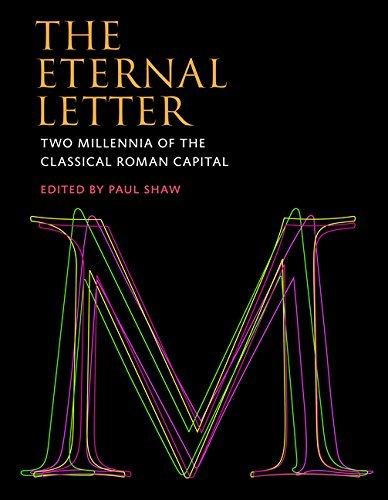
The fiftieth anniversary of Helvetica, the most famous of all sans serif typefaces, was celebrated with an excitement unusual in the staid world of typography and culminated in the release of the first movie ever made starring a typeface. Yet Helvetica’s fifty-year milestone pales in comparison with the two thousandth anniversary in 2014 of Trajan’s Column and its famous inscription — the preeminent illustration of the classical Roman capital letter. For, despite the modern ascendance of the san
-
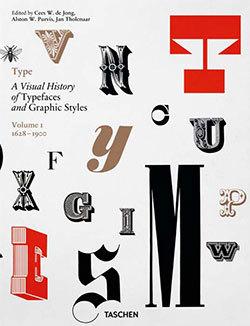
Know your type: A visual history of fonts and graphic styles: 1628–1938 This book offers a connoisseur’s overview of typeface design, exploring the most elegant fonts from the history of publishing. Taken from a distinguished Dutch collection, this exuberant two-volume edition traces the evolution of the printed letter via exquisitely designed catalogs, showing type specimens in roman, italic, bold, semi-bold, narrow, and broad fonts. Borders, ornaments, initial letters, and decorations are
-
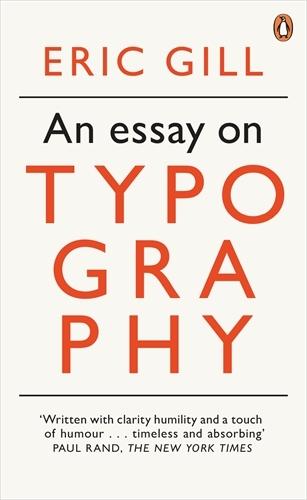
Eric Gill’s opinionated manifesto on typography argues that “a good piece of lettering is as beautiful a thing to see as any sculpture or painted picture”. This essay explores the place of typography in culture and is also a moral treatise celebrating the role of craftsmanship in an industrial age. Gill, a sculptor, engraver, printmaker and creator of many classic typefaces that can be seen around us today, fused art, history and polemic in a visionary work which has been hugely influential on m
-
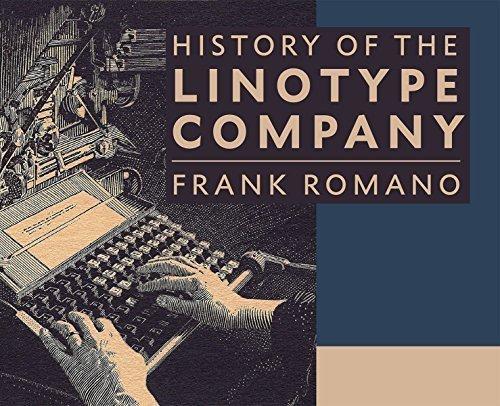
The book contains 464 pages of in-depth history of the people, places, and products manufactured by the Mergenthaler Linotype Company. Frank Romano traces the history of corporate acquisitions, product development, and competing machines all with his usual wit and experience. He also writes about his own personal history working at Linotype starting in 1959. There are hundreds of color reproductions of advertisements, publications, photographs, and typeface specimens. It also includes 120 pages
-
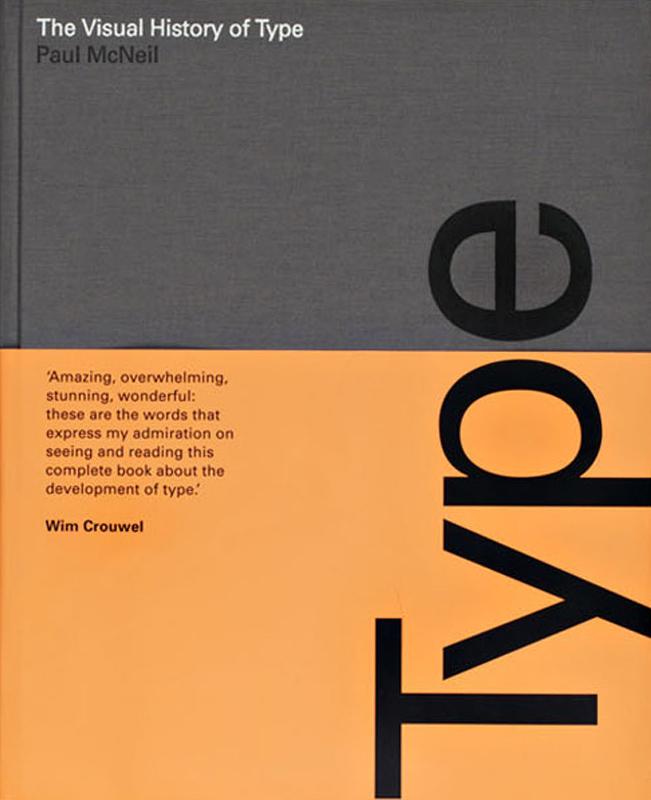
The Visual History of Type is a comprehensive, detailed survey of the major typefaces produced since the advent of printing with movable type in the mid-fifteenth century to the present day. Arranged chronologically to provide context, more than 320 typefaces are displayed in the form of their original type specimens or earliest printing. Each entry is supported by a brief history and description of key characteristics of the typeface. This book will be the definitive publication in its field, a
-
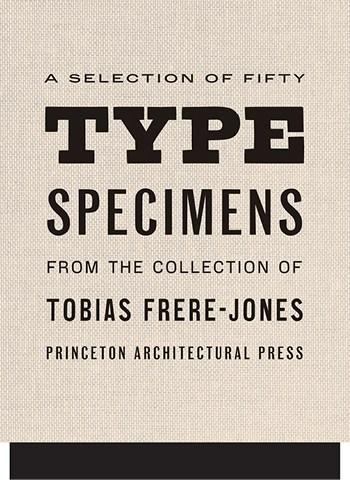
Fifty Type Specimens is a collection of postcards with typographic images, for inspiration, correspondence, or display. Cards feature classic letterforms, pages from specimen books, and crops of letters presented in a box with the feel of an old specimen book. Historic typefaces, selected by renowned designer Tobias Frere-Jones, are organized into four geographic categories by thumb tabs: Germany, France, United States, and the United Kingdom.
-
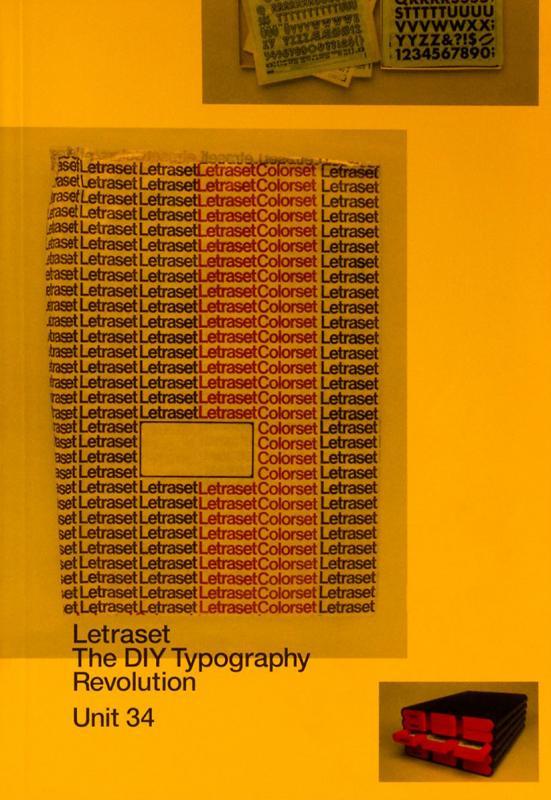
Letraset: The DIY Typography Revolution is the first comprehensive history of Letraset, the rubdown lettering system that revolutionised typographic expression. The book tells the Letraset story from its early days as a difficult-to-use wet system, to its glory years as the first truly democratic alternative to professional typesetting. The book also looks at Letraset’s present-day revival amongst a new set of admirers who recognise the typographic excellence of the system’s typefaces.
-
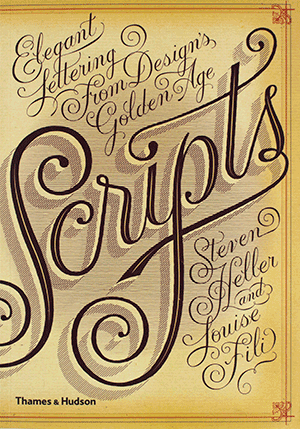
Seen in everything from wedding invitations and birth announcements to IOUs, menus, and diplomas, script typefaces impart elegance and sophistication to a broad variety of texts. Scripts never go out of style, and the hundreds of inventive examples here are sure to inspire today’s designers. Derived from handwriting, these are typefaces that are stylized to suggest, imply, or symbolize certain traits linked to writing. Their fundamental characteristic is that all the letters, more or less, touch
-
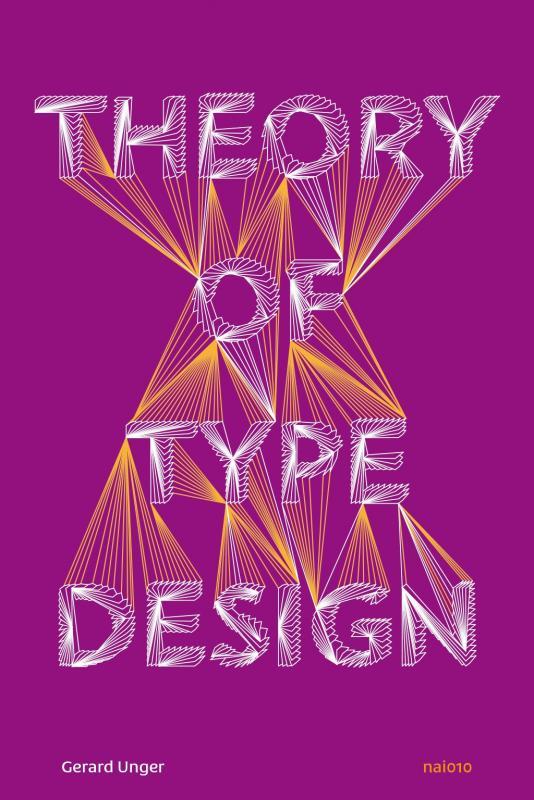
Theory of Type Design by type designer Gerard Unger is a comprehensive theory of typeface design. This volume consists of 24 chapters, each describing a different aspect of type design, from the influence of language to today’s digital developments, from how our eyes and brain process letterforms to their power of expression. This book includes more than 200 illustrations and practical examples that illuminate the theoretical material. The terminology is explained in the volume’s extensive gl
-
Often credited with inventing the term "graphic design," W. A. Dwiggins was a quintessential maker — fabricating his own tools, inventing techniques, and experimenting with design in areas as wide-ranging as modular ornament, stamps, currency, books, kites, marionettes, and theatrical sets and lighting. More than any of his contemporaries, he united the full range of applied arts into a single profession — designer. Despite this, a thorough study of Dwiggins has never been published. Until now.
-
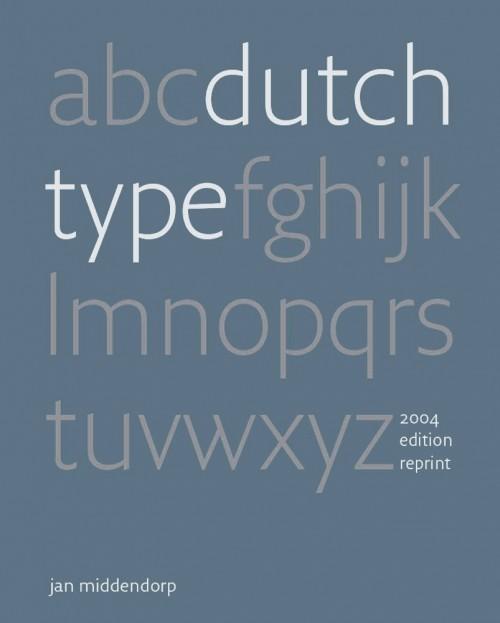
In ‘Dutch Type’, Jan Middendorp presents a comprehensive overview of type design and lettering in the Netherlands, tracing its origins through type designers and lettering artists from the 15th to the 20th centuries. Partly based on interviews, the book also offers insight into the motives and methods of the first generations of digital type designers, featuring published and unpublished typefaces as well as sketches, studies, and samples of lettering work. While the quest for quality and innova
-
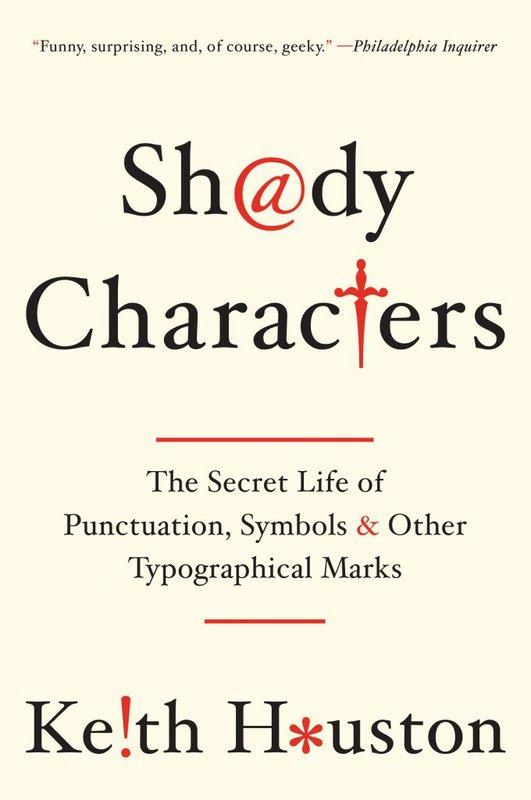
Shady Characters: The Secret Life of Punctuation, Symbols, & Other Typographical Marks (USA), or Shady Characters: Ampersands, Interrobangs and Other Typographical Curiosities (UK), is an illustrated companion book of the website Shady Characters: The secret life of punctuation. “Shady Characters weaves a fascinating trail across the parallel histories of language and typography. Whether investigating the asterisk (*) and dagger (†)—which alternately illuminated and skewered heretical v
-
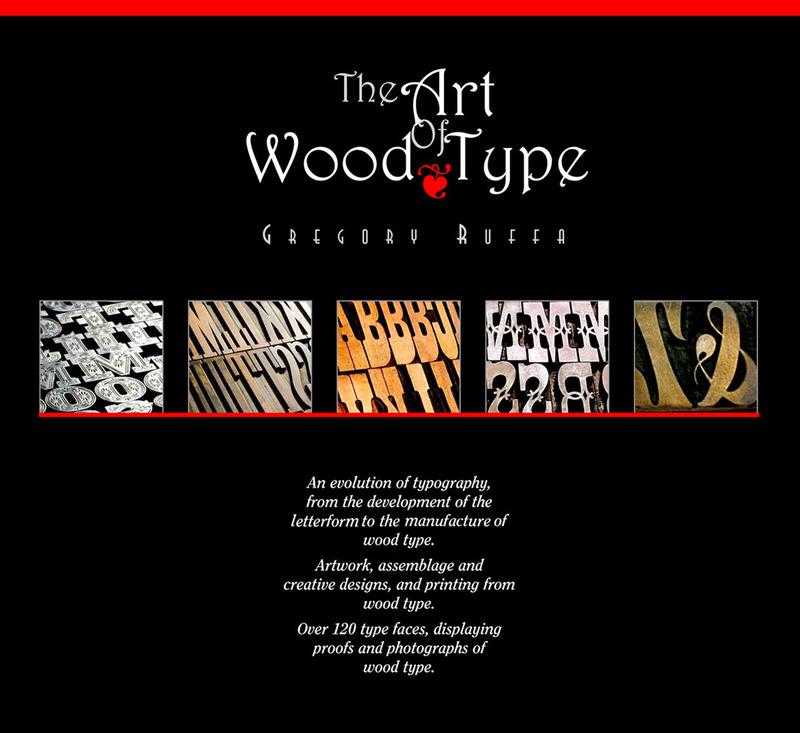
330 pages filled with the history of alphabet, the anatomy of the letterform, and how wood type was made. Personal stories from artists, typographic designers, the new uses of wood type in printing from two university professors, and the story of the world’s largest collector of wood type, Leo Kaplan, the Grandfather of the wood type collage and Dave Greer, the largest collector of rare wood and metal type. The book is not available in stores, but can be ordered via [email protected]
-
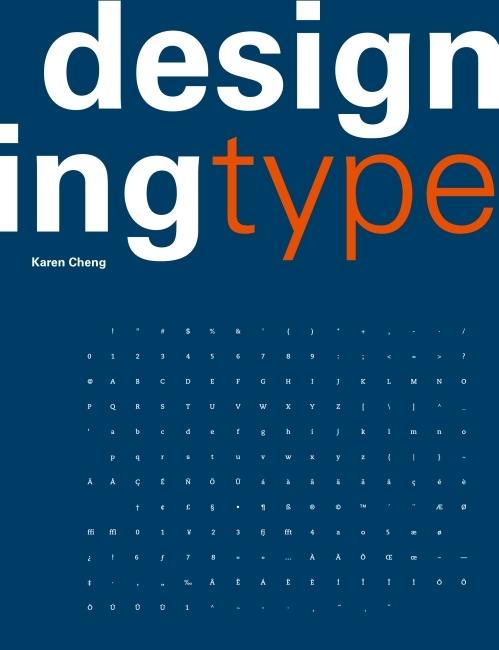
“One of the most essential tools of graphic design, typography influences the appearance of visual print materials perhaps more than any other component. This essential book explains the processes behind creating and designing type. Author Karen Cheng discusses issues of structure, optical compensation, and legibility, with special emphasis given to the often overlooked relationships between letters and shapes in font design. The book is illustrated with numerous diagrams that demonstrate visual
-
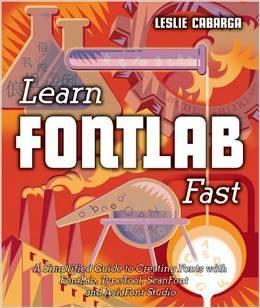
Learn FontLab Fast; A Simplified Guide to Creating Fonts with FontLab, TypeTool, ScanFont and AsiaFont Studio covers versions 4.6 and 5.0 of FontLab. It has been written to enable users to dramatically cut down the learning curve required to master FontLab and its sister programs, TypeTool and AsiaFont Studio. Author and designer Leslie Cabarga (who also wrote The Logo Font & Lettering Bible) packed Learn FontLab Fast with illustrations, diagrams and screenshots, and cut the text to a minimu
-
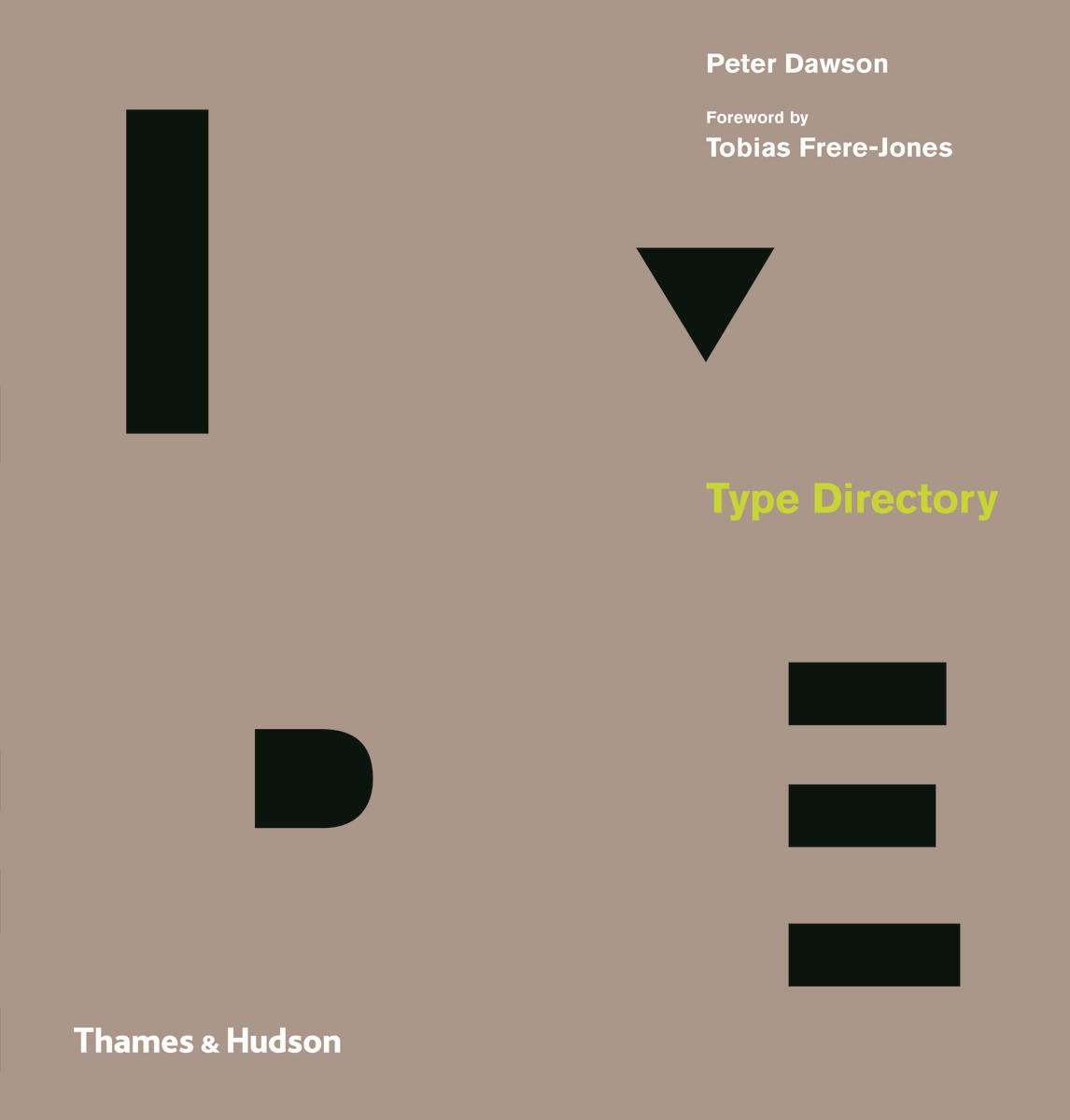
Type Directory shows 1,500 typefaces are organized by category – Serif, Sans Serif, Display, Script and Symbols & Dingbats – and subsequently arranged by recognized sub-categories. This allows the reader to make a direct comparison of typefaces with a similar appearance, thus facilitating a deeper understanding of the design and selection process. A visual celebration of the craft, innovation and beauty of these letterforms is presented throughout, from classic typefaces like Garamond, Bodon