In the fourteenth chapter, “Fitting”, Mr Unger notes that the letter pairing ‘rv’ creates a large negative space and attempts to illustrate the dangers of overcompensating by showing how the word ‘harvest’ looks when kerned too tightly. But fate is not on Mr Unger’s side, and that deliberately mis‐kerned ‘harvest’ falls at just the wrong spot in the paragraph: the layout software automatically hyphenates it across two lines, the critical r–v pairing sundered and thus irrelevant.
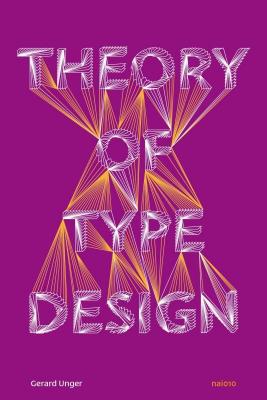
This failure of design is a sadly fitting exemplar of Theory of Type Design, which was published just three days before its author’s death. While the gears of the publishing process turn too slowly for this near‐concurrence to have been forecasted with accuracy, the confusion and carelessness that permeates every aspect of this work suggest that allowing Mr Unger to hold a copy in his hands was prioritized over making a substantive and useful volume. Errors and inconsistencies can be found on the majority of pages; they range in significance from missing spaces to misidentified typefaces. The book is heavily illustrated, but the illustrations are neither in‐line with the text nor numbered, so matching each to the paragraph that describes its relevance is unending, page‐flipping drudgery. Most disappointingly, the writing is meandering and grammatically tangled—suitable for off‐the‐cuff blog posts but not the substance of a professionally edited book with a $50 suggested retail price.
Mr Unger was a talented type designer of great influence (might we eventually term faces with tall x-heights and generous counters ‘Ungerian’?), but this book does not capture his genius and it is not a good reference.





Create an account or sign in to leave a review