Typography Books
74 directory entries in this category
-
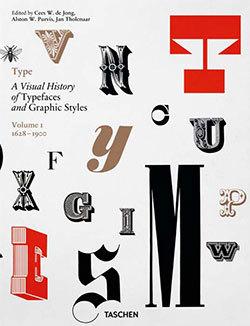
Know your type: A visual history of fonts and graphic styles: 1628–1938 This book offers a connoisseur’s overview of typeface design, exploring the most elegant fonts from the history of publishing. Taken from a distinguished Dutch collection, this exuberant two-volume edition traces the evolution of the printed letter via exquisitely designed catalogs, showing type specimens in roman, italic, bold, semi-bold, narrow, and broad fonts. Borders, ornaments, initial letters, and decorations are
-
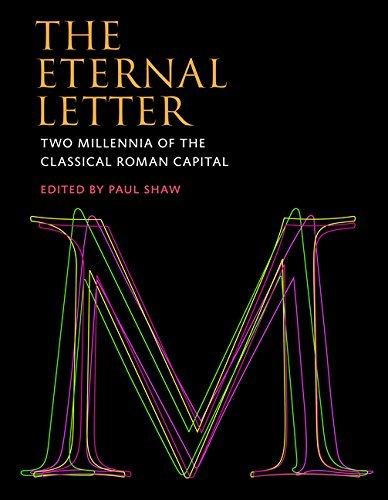
The fiftieth anniversary of Helvetica, the most famous of all sans serif typefaces, was celebrated with an excitement unusual in the staid world of typography and culminated in the release of the first movie ever made starring a typeface. Yet Helvetica’s fifty-year milestone pales in comparison with the two thousandth anniversary in 2014 of Trajan’s Column and its famous inscription — the preeminent illustration of the classical Roman capital letter. For, despite the modern ascendance of the san
-
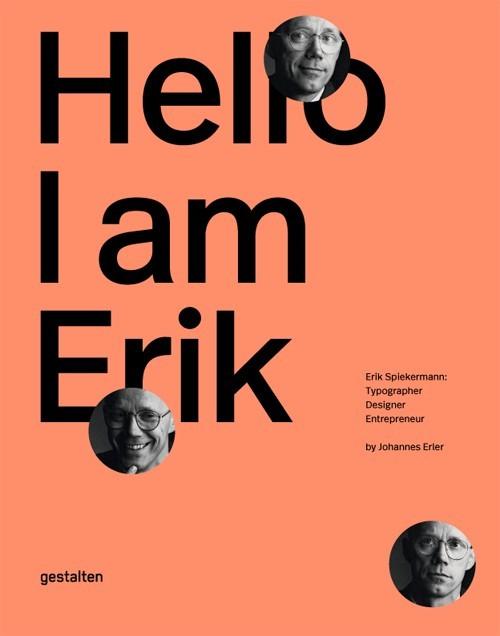
Erik Spiekermann is the epitome of a typographer. With his typefaces, commercial projects, and enterprises, he has shaped the world of graphic design like no other. This comprehensive book is the first to showcase his body of work and tell the story of his life. Hello, I am Erik is the first-ever visual biography of Erik Spiekermann s work. The book documents his projects, traces milestones in his life, and offers his personal perspectives on design. Essays by notable designers and authors
- Typographer, Designer, Entrepreneur
-
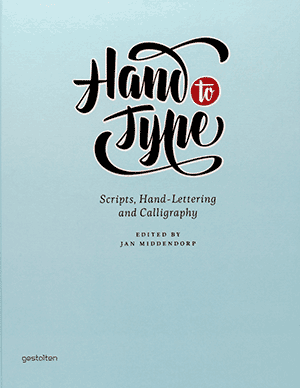
Although, or perhaps because, most of us write less and less by hand, our fascination for handwritten letterforms is growing. Typeface designers who specialize in traditional, charming, or spectacular lettering with a handmade look have become role models for today's young typographers and graphic design students. Script fonts--digital type families based on handwriting--are among the most sought on the typography market today. Scripts from the past, be it 18th-century formal calligraphy or adve
- Scripts, Hand-Lettering and Calligraphy
-
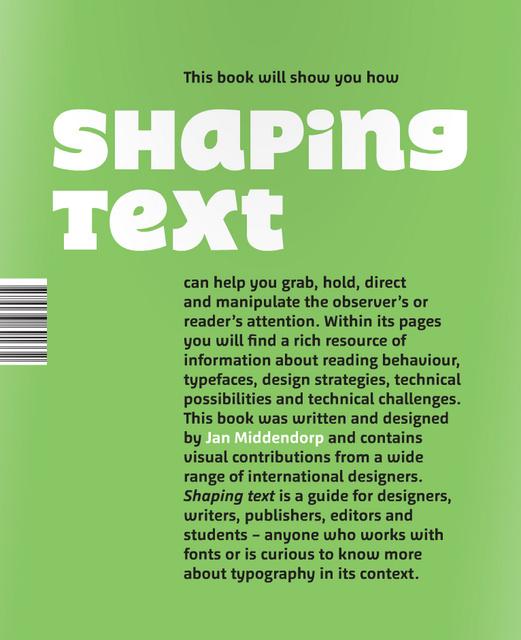
Shaping Text takes a practical and broad approach to typography. It is aimed at design students and graphic designers, and also at those who are concerned with content: writers, editors, and publishers. Showing a wide range of examples from first-rate designers across the world, the book examines why and how typographic designs work well in a given context. Particular attention is given to the team play between the text itself—written language—and the design—the shaping of the text—to form a new
-
Typography is your design's voice and the most powerful tool you have to communicate with your readers. Learn how to wield type with care and wit: how to evaluate typefaces, consider technical constraints, create flexible typographic systems, and put together your own collection of favorite faces. Jason Santa Maria wants you to see type beyond code or flourishes. You'll discover how typography shapes the way we read and how you can adapt the craft's practices for the screen. So go ahead. Choose,
-
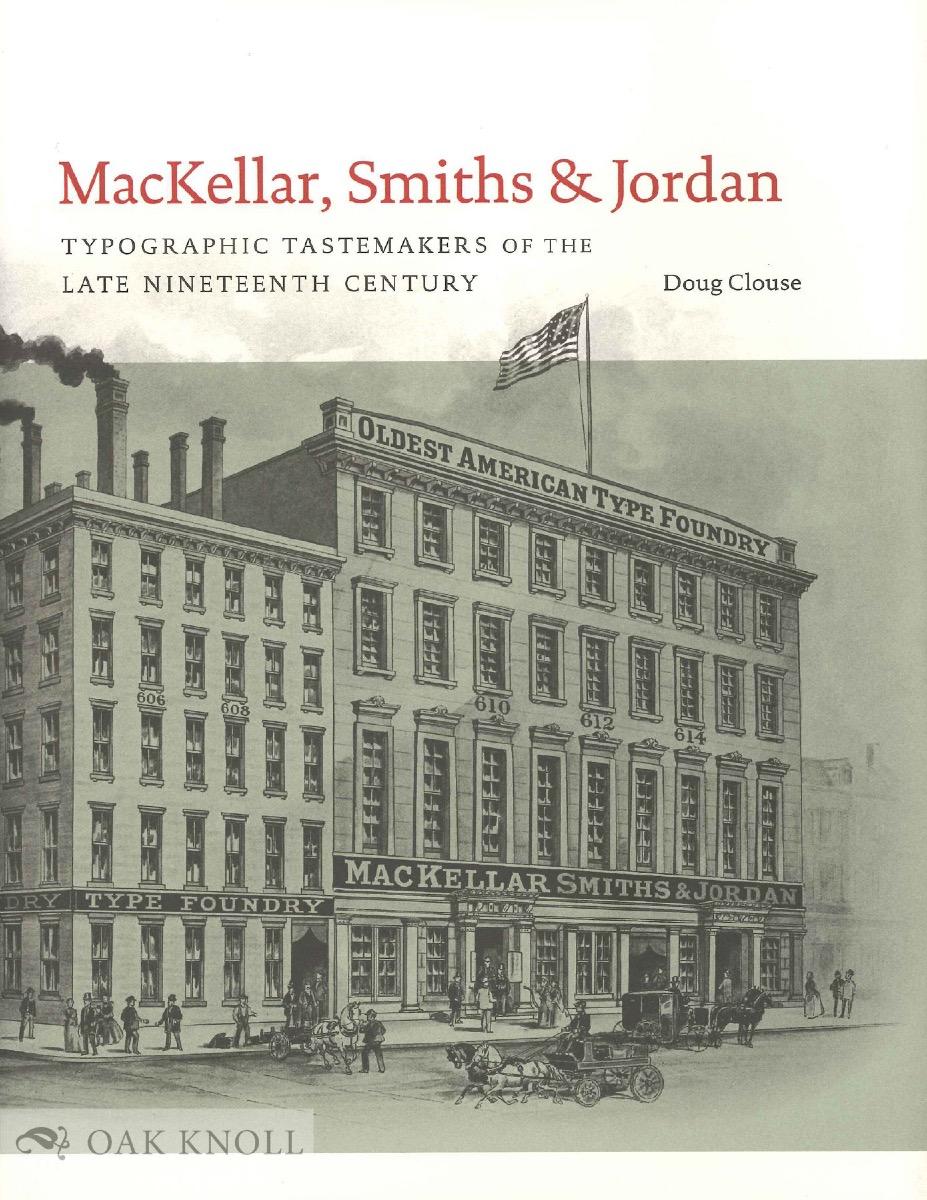
This study of America’s leading type foundry of the nineteenth century, MacKellar, Smiths & Jordan, emphasizes the design of the hundreds of typefaces that were produced by the foundry, from its inception in the 1860s until its merger with most other American foundries at the end of the century. The author describes how changing business conditions and technical improvements in type founding interacted with changes in public taste over the decades to modify the appearance of American typefac
- Typographic Tastemakers of the Late Nineteenth Century
-
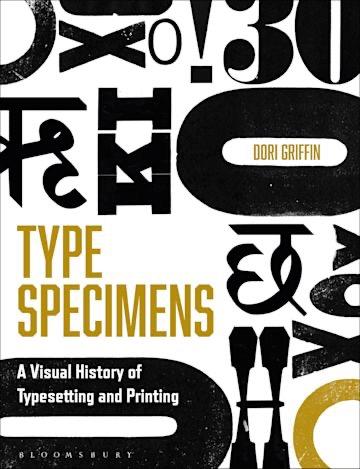
Type Specimens introduces readers to the history of typography and printing through a chronological visual tour of the books, posters, and ephemera designed to sell fonts to printers, publishers, and eventually graphic designers. This richly illustrated book guides design educators, advanced design students, design practitioners, and type aficionados through four centuries of visual and trade history, equipping them to contextualize the aesthetics and production of type in a way that is pra
- A Visual History of Typesetting and Printing
-
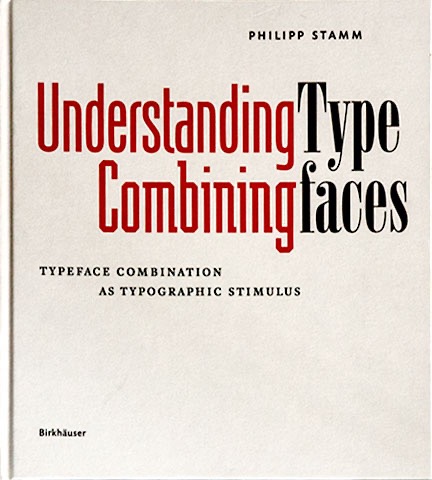
Combining typefaces is one of the great challenges and, at the same time, a continuing allure for typographers and designers: is it meant to be extravagant or should it only be carried out to a limited degree or, ideally, not at all? Which fonts harmonize with each other, and which don't? Which ones complement each other or even enhance each other? There are few answers to be found in the professional literature. This handbook demonstrates that it is possible to determine criteria for the c
- Typeface Combination as a Stimulus in Typography
-
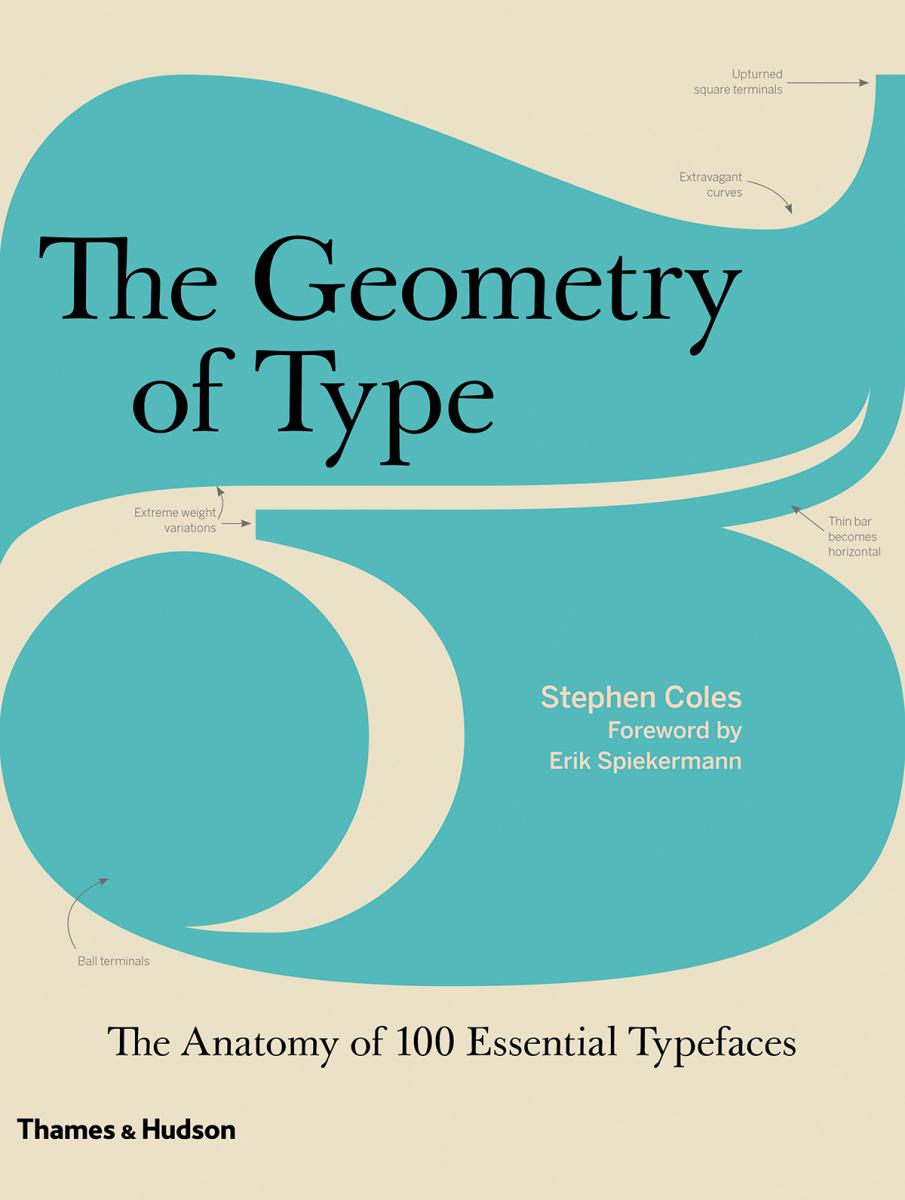
The Geometry of Type explores 100 traditional and modern typefaces in loving detail, with a full spread devoted to each entry. Characters from each typeface are enlarged and annotated to reveal key features, anatomical details, and the finer, often-overlooked elements of type design, which shows how these attributes affect mood and readability. Sidebar information lists the designer and foundry, the year of release and the different weights and styles available, while feature boxes explain the o
- A Graphic Guide to 100 Typefaces
-
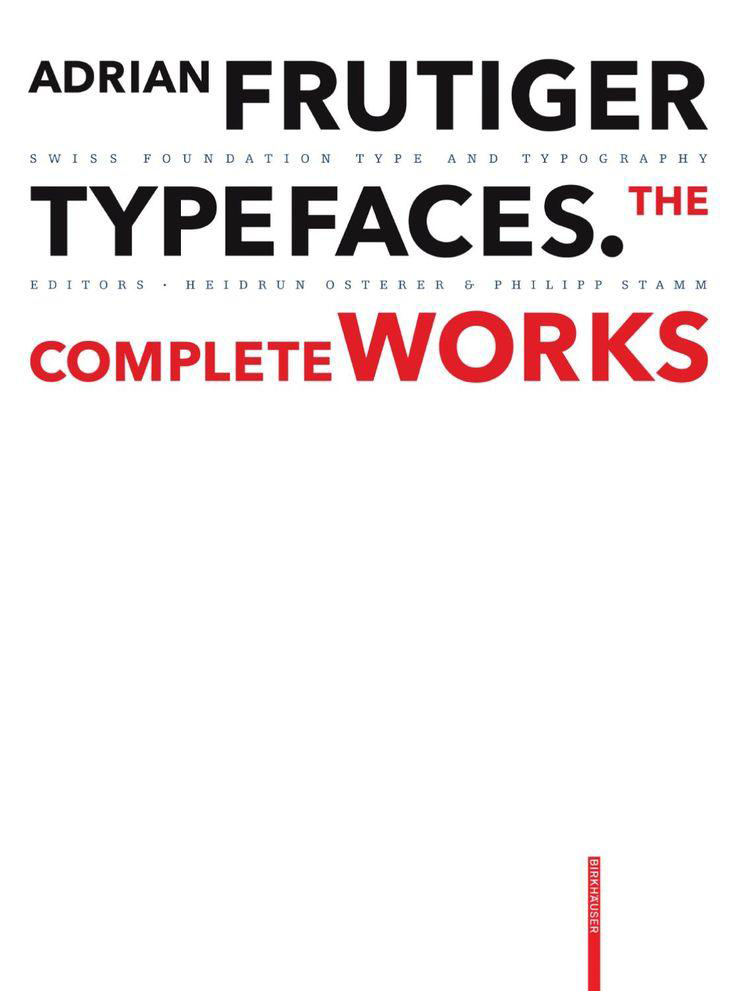
The Swiss type designer Adrian Frutiger decisively influenced the international creation of typefaces after 1950. His Univers typeface and the machine-readable font OCR-B are milestones, as is his type for the Paris airports, which evolved into the Frutiger typeface. All set new standards for signage types. In all, he created some fifty types, including Ondine, Méridien, Avenir, and Vectora. Based on conversations with Frutiger himself and on extensive research, this publication provides a
-
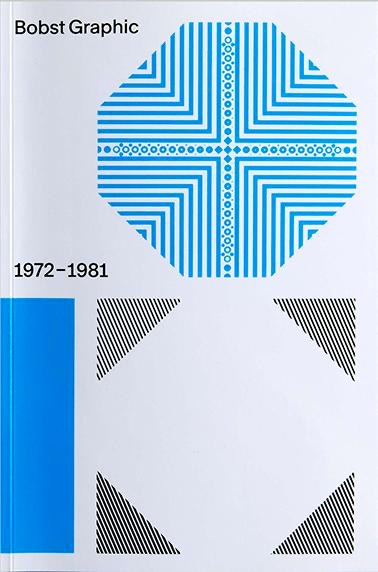
In the early 1970s, the Swiss packaging company Bobst S.A. began to wonder whether it would be ready for the future with only one product type. The Lausanne-based company, already far advanced in terms of packaging manufacturing technology, decided to launch phototypesetting machines. Thanks to the participation of some of the best font designers in the country, e.g. Team 77, different font families were developed for the new technique. The history of Bobst Graphic – a pioneering feat
-
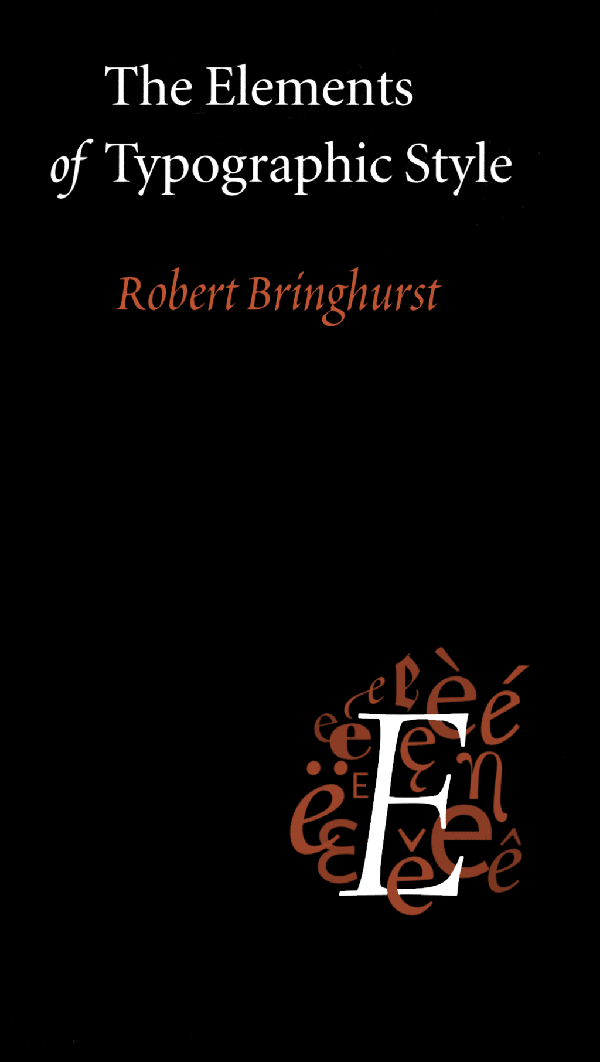
Renowned typographer and poet Robert Bringhurst brings clarity to the art of typography with this masterful style guide. Combining the practical, theoretical, and historical, this edition is completely updated, with a thorough revision and updating of the longest chapter, “Prowling the Specimen Books”, and many other small but important updates based on things that are continually changing in the field.
-
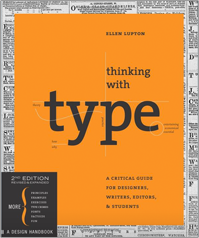
Thinking with Type is the definitive guide to using typography in visual communication, from the printed page to the computer screen. This revised edition includes forty-eight pages of new content, including the latest information on style sheets for print and the web, the use of ornaments and captions, lining and non-lining numerals, the use of small caps and enlarged capitals, as well as information on captions, font licensing, mixing typefaces, and hand lettering. Throughout the book, visual
-
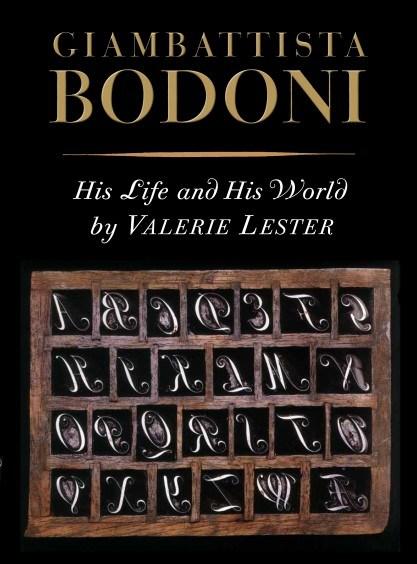
This is the first English-language biography of the relentlessly ambitious and incomparably talented printer Giambattista Bodoni (1740–1813). Born to a printing family in the small foothill town of Saluzzo, he left his comfortable life to travel to Rome in 1758 where he served as an apprentice of Cardinal Spinelli at the Propaganda Fide press. There, under the sponsorship of Ruggieri, his close friend, mentor, and protector, he learned all aspects of the printing craft. Even then, his real talen
-
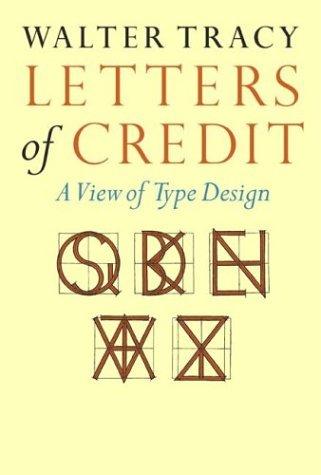
THE REVOLUTION in typesetting - a revolution that over the past two decades has eliminated a five-hundred-year-old system of hot metal production and replaced it with one of photo-generated and computer-driven composition - shows no sign of winding down. This book, more than any other we know, traces the steps that went into that revolution and simultaneously makes the argument that the letter forms themselves are in process of evolution. Tracy argues that, whether they are of the sixteenth or t
- A View of Type Design
-
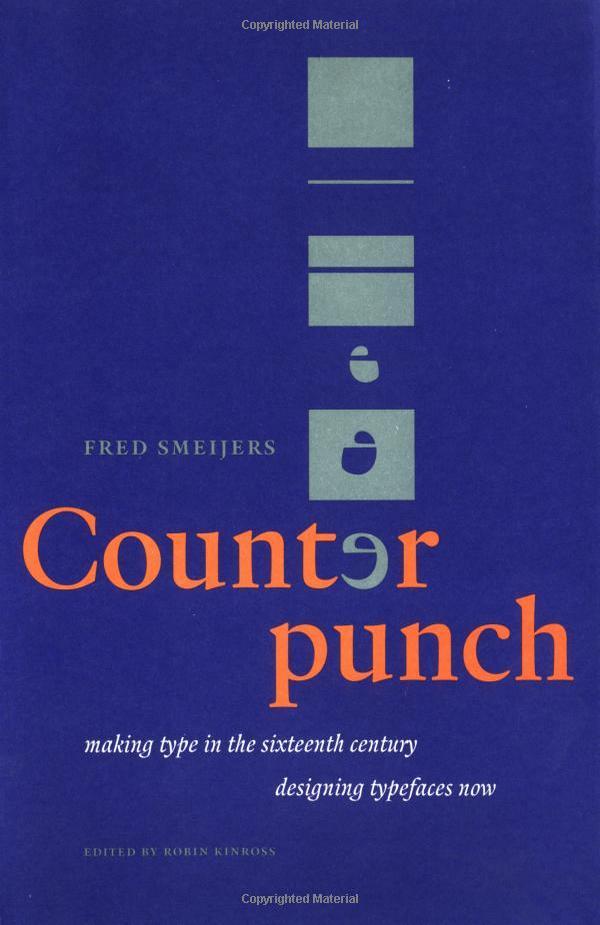
Counterpunch is both an explanation of the 16th-century method of cutting metal type and an impassioned plea for contemporary designers to incorporate the lessons of history as a means of creating typography in our digital age. Smeijers sees the counterpunch technique as essential for ensuring the regularity of form, repeatability, and speed of production necessary for rational design. Smeijers traces the history of letterform design to discover how technique influenced the shape of type, w
- Making Type in the 16th Century
-
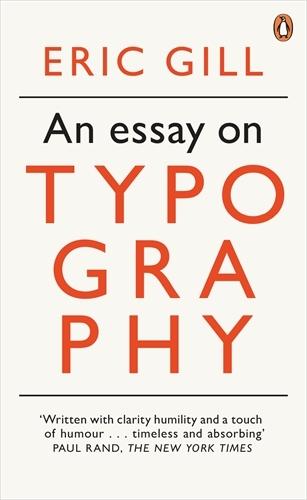
Eric Gill’s opinionated manifesto on typography argues that “a good piece of lettering is as beautiful a thing to see as any sculpture or painted picture”. This essay explores the place of typography in culture and is also a moral treatise celebrating the role of craftsmanship in an industrial age. Gill, a sculptor, engraver, printmaker and creator of many classic typefaces that can be seen around us today, fused art, history and polemic in a visionary work which has been hugely influential on m
-
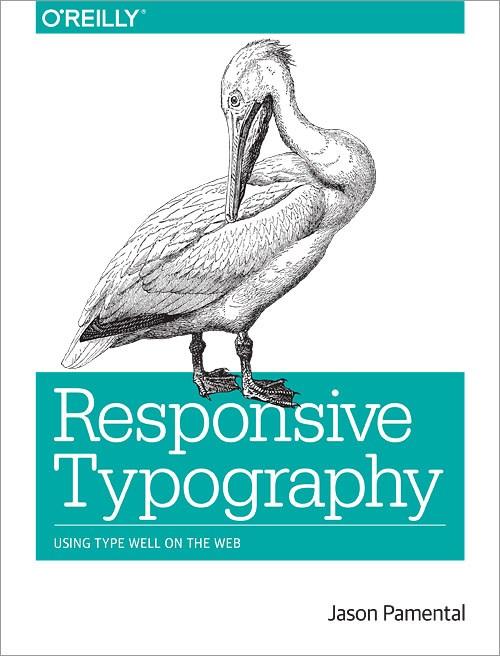
Responsive web design helps your site maintain its design integrity on a variety of screen sizes, but how does it affect your typography? With this practical book, graphic designers, web designers, and front-end developers alike will learn the nuts and bolts of implementing web fonts well, especially how to get the best appearance from type without sacrificing performance on any device. After examining typography fundamentals and the evolution of type on the Web, author Jason Pamental provi
- Using Type Well on the Web
-
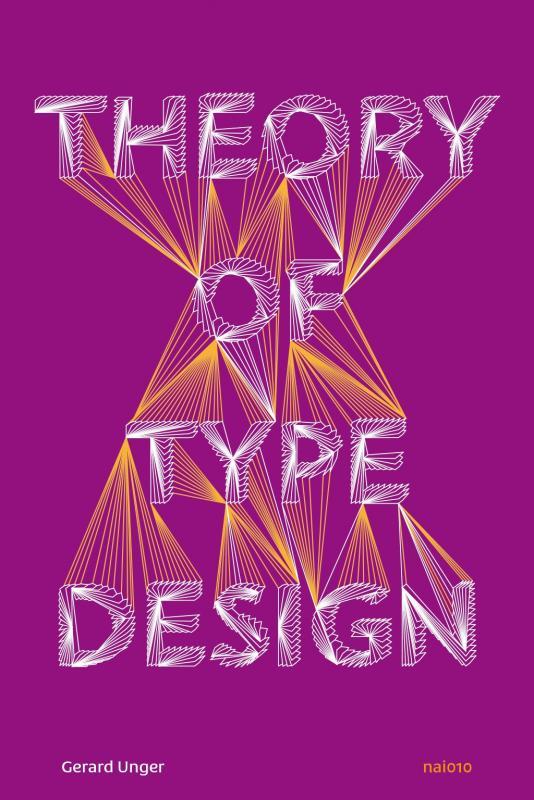
Theory of Type Design by type designer Gerard Unger is a comprehensive theory of typeface design. This volume consists of 24 chapters, each describing a different aspect of type design, from the influence of language to today’s digital developments, from how our eyes and brain process letterforms to their power of expression. This book includes more than 200 illustrations and practical examples that illuminate the theoretical material. The terminology is explained in the volume’s extensive gl
-
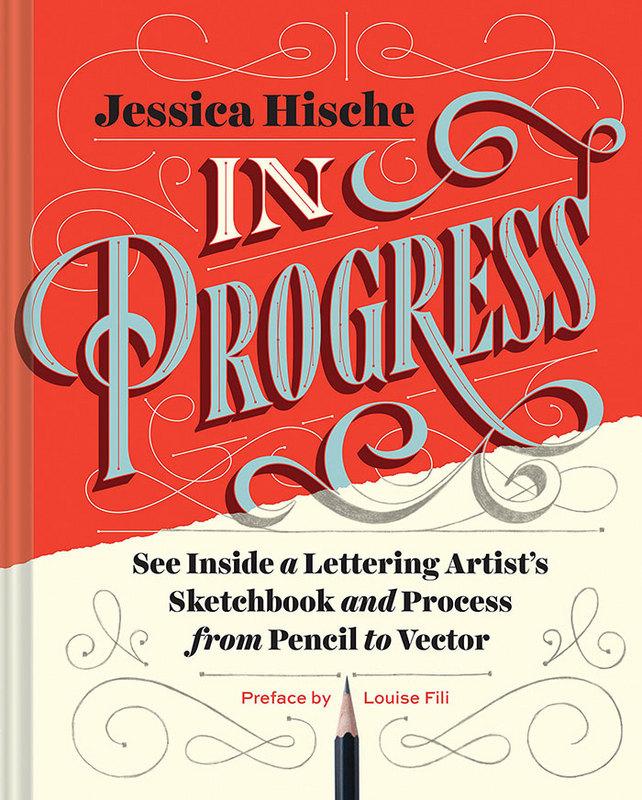
This show-all romp through design-world darling Jessica Hische’s sketchbook reveals the creative and technical process behind making award-winning hand lettering. See everything, from Hische’s rough sketches to her polished finals for major clients such as Wes Anderson, NPR, and Starbucks. The result is a well of inspiration and brass tacks information for designers who want to sketch distinctive letterforms and hone their skills. With more than 250 images and metallic silver ink printed th
- See Inside a Lettering Artist’s Sketchbook and Process
-
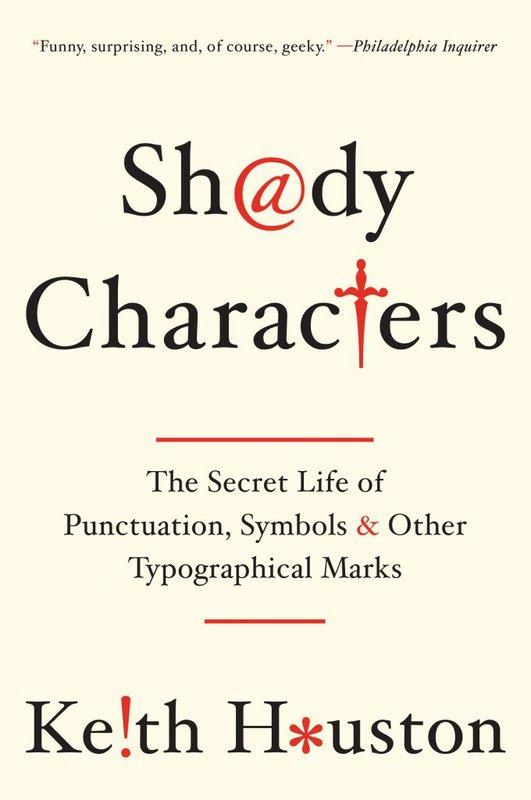
Shady Characters: The Secret Life of Punctuation, Symbols, & Other Typographical Marks (USA), or Shady Characters: Ampersands, Interrobangs and Other Typographical Curiosities (UK), is an illustrated companion book of the website Shady Characters: The secret life of punctuation. “Shady Characters weaves a fascinating trail across the parallel histories of language and typography. Whether investigating the asterisk (*) and dagger (†)—which alternately illuminated and skewered heretical v
-
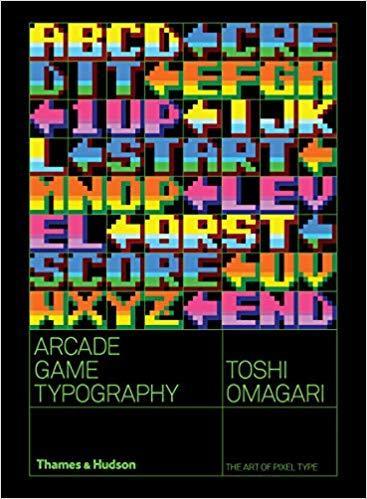
Arcade Game Typography presents readers with a fascinating new world of typography: the pixel typeface. Video game designers of the ’70s, ’80s, and ’90s faced color and resolution limitations that stimulated incredible creativity. With each letter having to exist in a small pixel grid, artists began to use clever techniques to create elegant character sets within a tiny canvas. This book presents typefaces on a dynamic and decorative grid, taking reference from high-end type specimens while addi
- The Art of Pixel Type
-
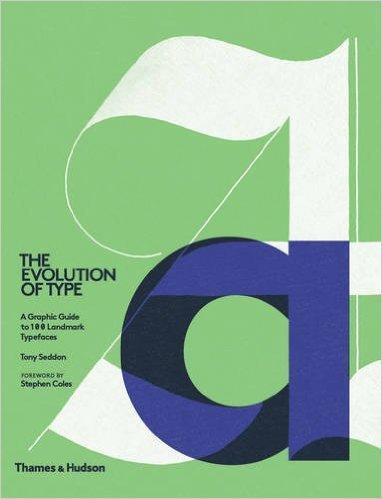
The Evolution of Type takes the reader on a journey through the development of type design and typographic style from the mid-15th century to the present day, by way of 100 typefaces. Chosen to represent the key elements of style and form used by the punch cutters, calligraphers and designers of their day, and presented in chronological order according to release date, each typeface is discussed in terms of its origins and its impact on the design and print industry, and latterly the additional
- A Graphic Guide to 100 Landmark Typefaces