Typography Books
74 directory entries in this category
-
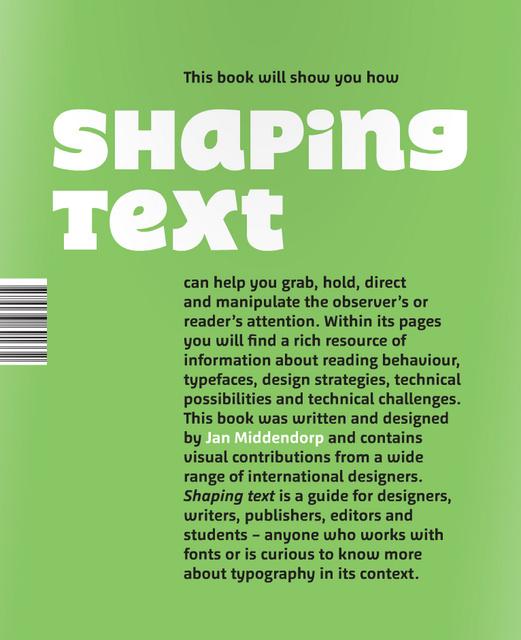
Shaping Text takes a practical and broad approach to typography. It is aimed at design students and graphic designers, and also at those who are concerned with content: writers, editors, and publishers. Showing a wide range of examples from first-rate designers across the world, the book examines why and how typographic designs work well in a given context. Particular attention is given to the team play between the text itself—written language—and the design—the shaping of the text—to form a new
-
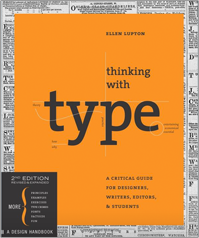
Thinking with Type is the definitive guide to using typography in visual communication, from the printed page to the computer screen. This revised edition includes forty-eight pages of new content, including the latest information on style sheets for print and the web, the use of ornaments and captions, lining and non-lining numerals, the use of small caps and enlarged capitals, as well as information on captions, font licensing, mixing typefaces, and hand lettering. Throughout the book, visual
-
“We are surrounded by emoji. They appear in politics, movies, drug deals, our sex lives, and more. But emoji’s impact has never been explored in full. In this rollicking tech and pop culture history, Keith Houston follows emoji from its birth in 1990s Japan, traces its Western explosion in the 2000s, and considers emoji’s ever-expanding lexicon. Named for the world’s most popular pictogram, Face with Tears of Joy tells the whole story of emoji for the first time.” https://wwnorton.com/books/9781
- A Natural History of Emoji
-
Explorations in Typography is a vast collection of typesetting examples. Page after page, a brief article by Erik Spiekermann has been set in hundreds of ways in hundreds of typefaces, creating an extended visual taxonomy of typesetting that allows you to learn by looking. Beautifully printed and bound, with complete type specifications on every page and examples set in hundreds of faces (many from the FontFont library), the book is an extensive resource of typesetting ideas. The seco
- Mastering the Art of Fine Typesetting
-
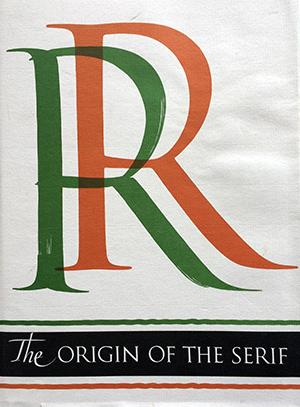
The Serif is the short cross stroke at the beginning and end of letter parts. Its origin in Roman inscription letters is one of the uncharted areas of paleography. In this book the author questions accepted theories as to the serif’s origin, and his own theory with skillful reasoning, detailed illustration, and epigraphic proof. Demand for copies of The Origin of the Serif has been constant since Fr. Catich published it in 1968. The information found there is not available elsewhere, and Ca
- Brush Writing & Roman Letters
-
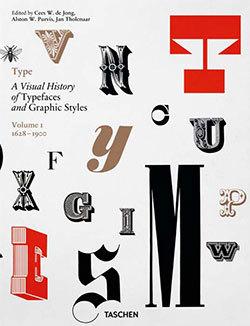
Know your type: A visual history of fonts and graphic styles: 1628–1938 This book offers a connoisseur’s overview of typeface design, exploring the most elegant fonts from the history of publishing. Taken from a distinguished Dutch collection, this exuberant two-volume edition traces the evolution of the printed letter via exquisitely designed catalogs, showing type specimens in roman, italic, bold, semi-bold, narrow, and broad fonts. Borders, ornaments, initial letters, and decorations are
-
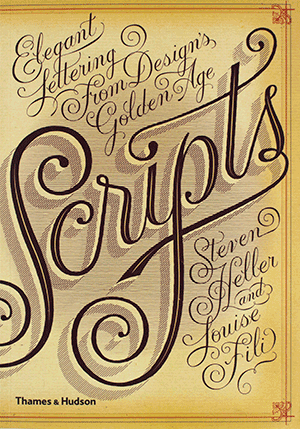
Seen in everything from wedding invitations and birth announcements to IOUs, menus, and diplomas, script typefaces impart elegance and sophistication to a broad variety of texts. Scripts never go out of style, and the hundreds of inventive examples here are sure to inspire today’s designers. Derived from handwriting, these are typefaces that are stylized to suggest, imply, or symbolize certain traits linked to writing. Their fundamental characteristic is that all the letters, more or less, touch
-
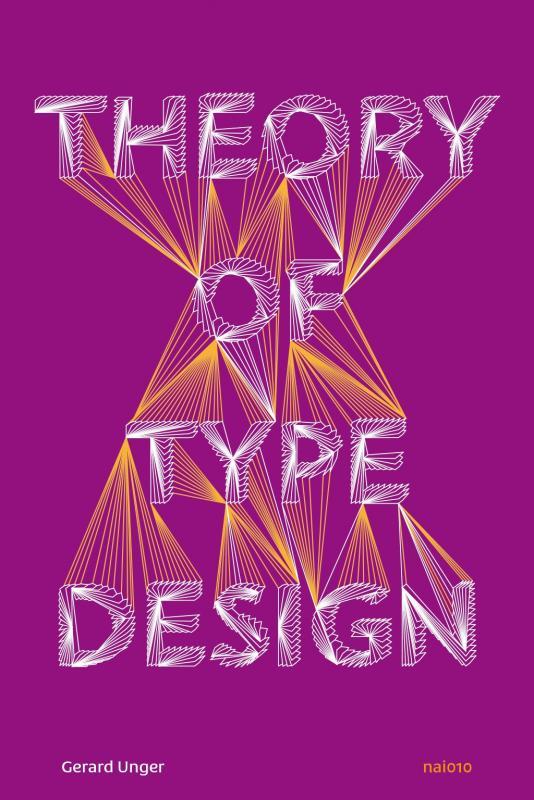
Theory of Type Design by type designer Gerard Unger is a comprehensive theory of typeface design. This volume consists of 24 chapters, each describing a different aspect of type design, from the influence of language to today’s digital developments, from how our eyes and brain process letterforms to their power of expression. This book includes more than 200 illustrations and practical examples that illuminate the theoretical material. The terminology is explained in the volume’s extensive gl
-
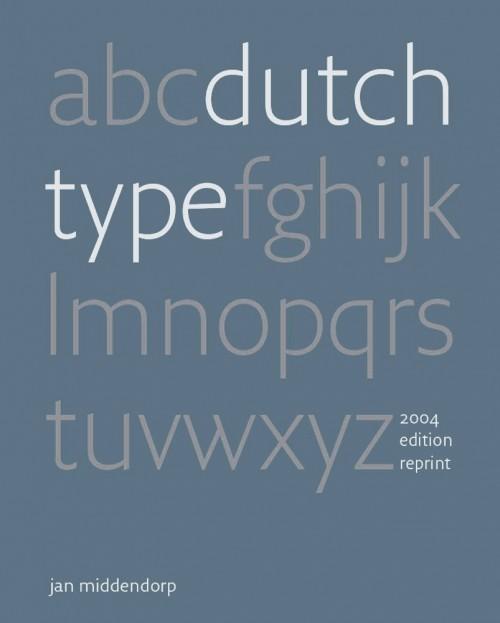
In ‘Dutch Type’, Jan Middendorp presents a comprehensive overview of type design and lettering in the Netherlands, tracing its origins through type designers and lettering artists from the 15th to the 20th centuries. Partly based on interviews, the book also offers insight into the motives and methods of the first generations of digital type designers, featuring published and unpublished typefaces as well as sketches, studies, and samples of lettering work. While the quest for quality and innova
-
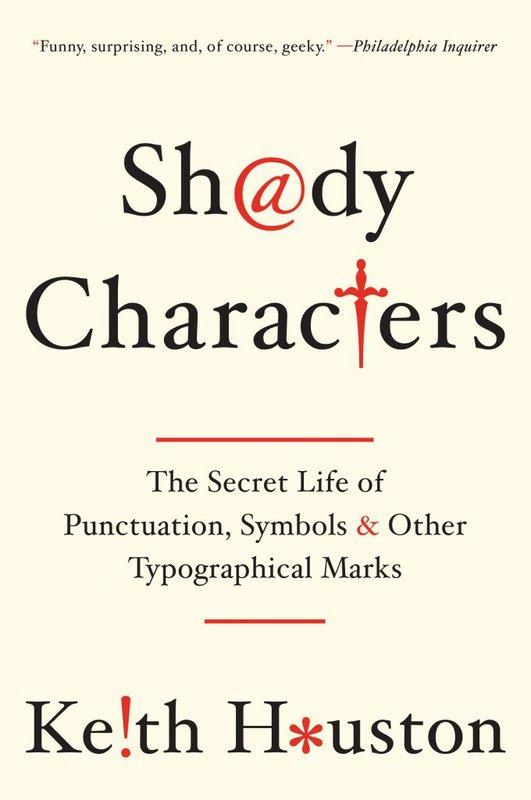
Shady Characters: The Secret Life of Punctuation, Symbols, & Other Typographical Marks (USA), or Shady Characters: Ampersands, Interrobangs and Other Typographical Curiosities (UK), is an illustrated companion book of the website Shady Characters: The secret life of punctuation. “Shady Characters weaves a fascinating trail across the parallel histories of language and typography. Whether investigating the asterisk (*) and dagger (†)—which alternately illuminated and skewered heretical v
-
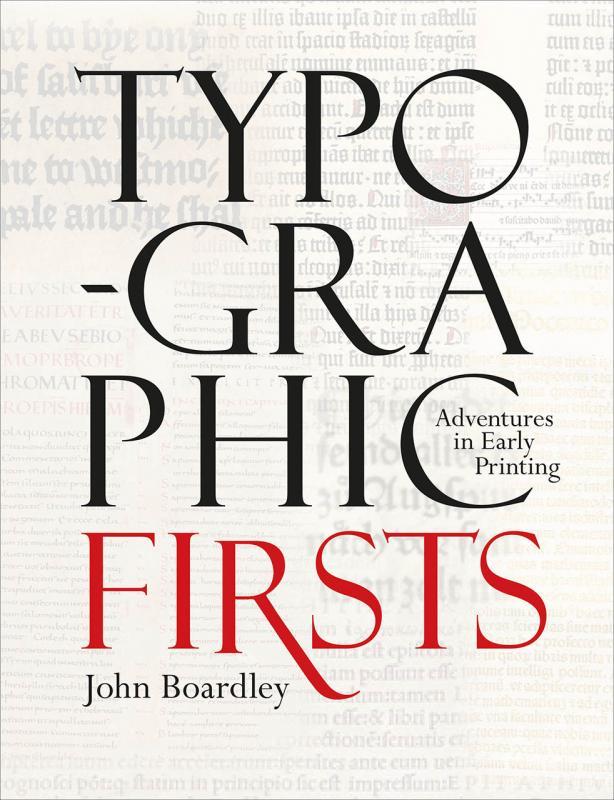
How were the first fonts made? Who invented italics? When did we work out how to print in color? Typographic Firsts charts the formative early history of the printed or typographic book. Many of the standard features of the printed book were designed by pioneering typographers and printers in the latter half of the fifteenth century. Although Johannes Gutenberg is credited with printing the first books with moveable type, at the height of the Renaissance printers and publishers found innova
- Adventures in Early Printing
-
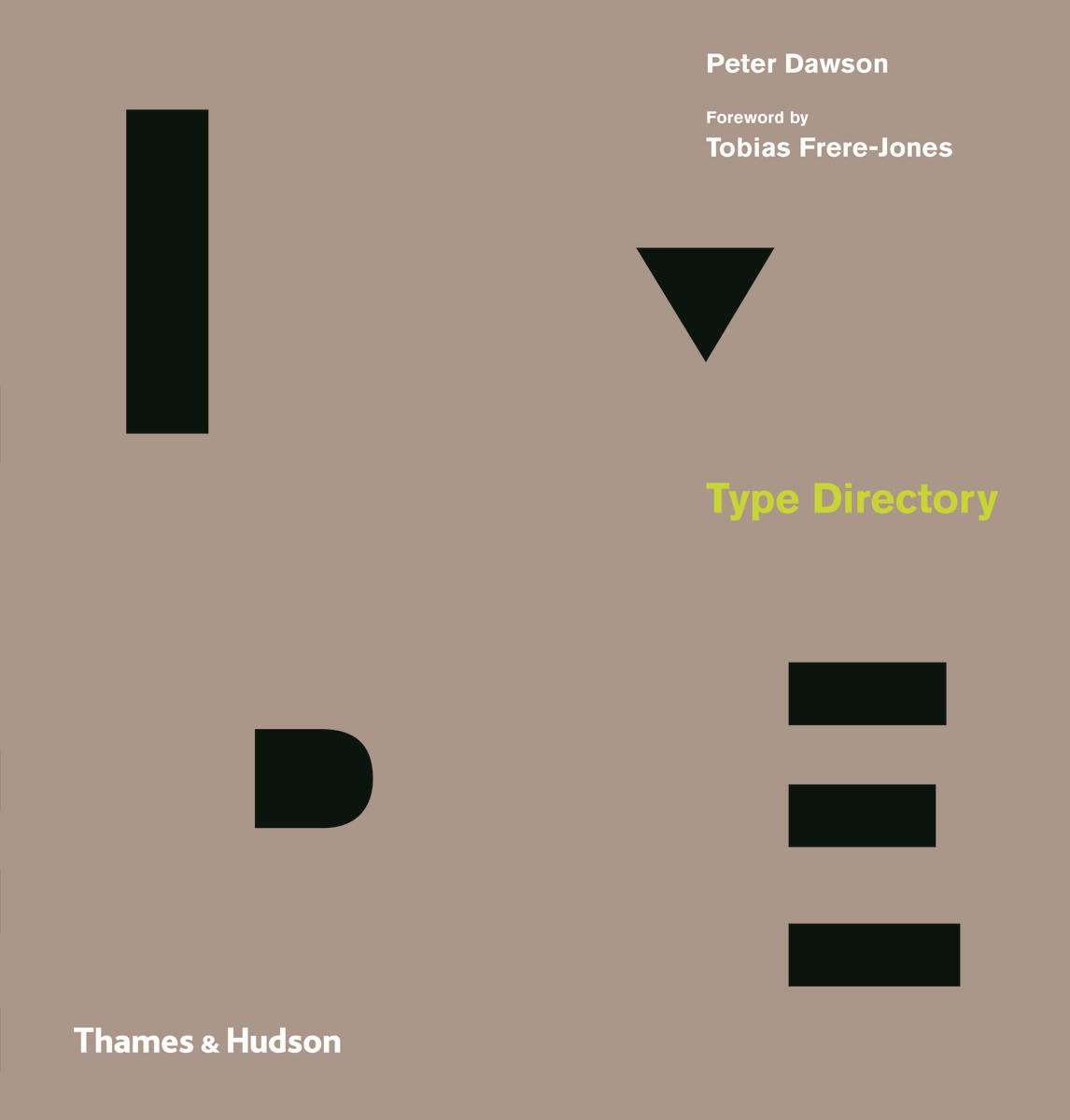
Type Directory shows 1,500 typefaces are organized by category – Serif, Sans Serif, Display, Script and Symbols & Dingbats – and subsequently arranged by recognized sub-categories. This allows the reader to make a direct comparison of typefaces with a similar appearance, thus facilitating a deeper understanding of the design and selection process. A visual celebration of the craft, innovation and beauty of these letterforms is presented throughout, from classic typefaces like Garamond, Bodon
-
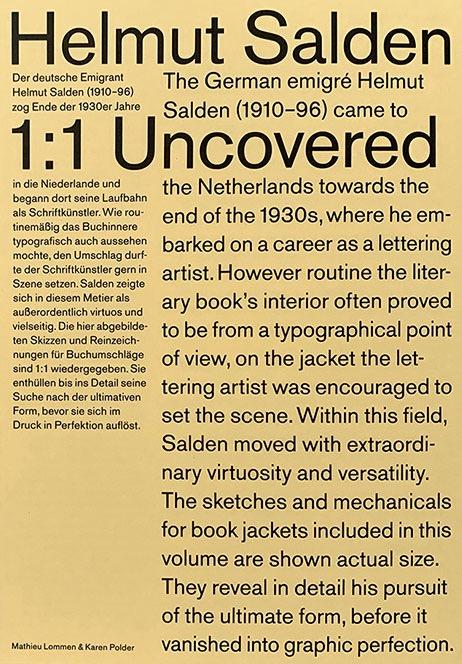
Helmut Salden Uncovered 1:1 is the first international monograph on Helmut Salden (1910–96), exploring his original sketches and working drawings. The material spans the years 1939 through 1970. In those years, Salden was the most celebrated Dutch lettering artist. All drawings are reproduced at actual size and reveal in detail his pursuit of the ultimate form. Helmut Salden Uncovered 1:1 by Mathieu Lommen & Karen Polder Language: English/German Pages: 80 Size: 16
-
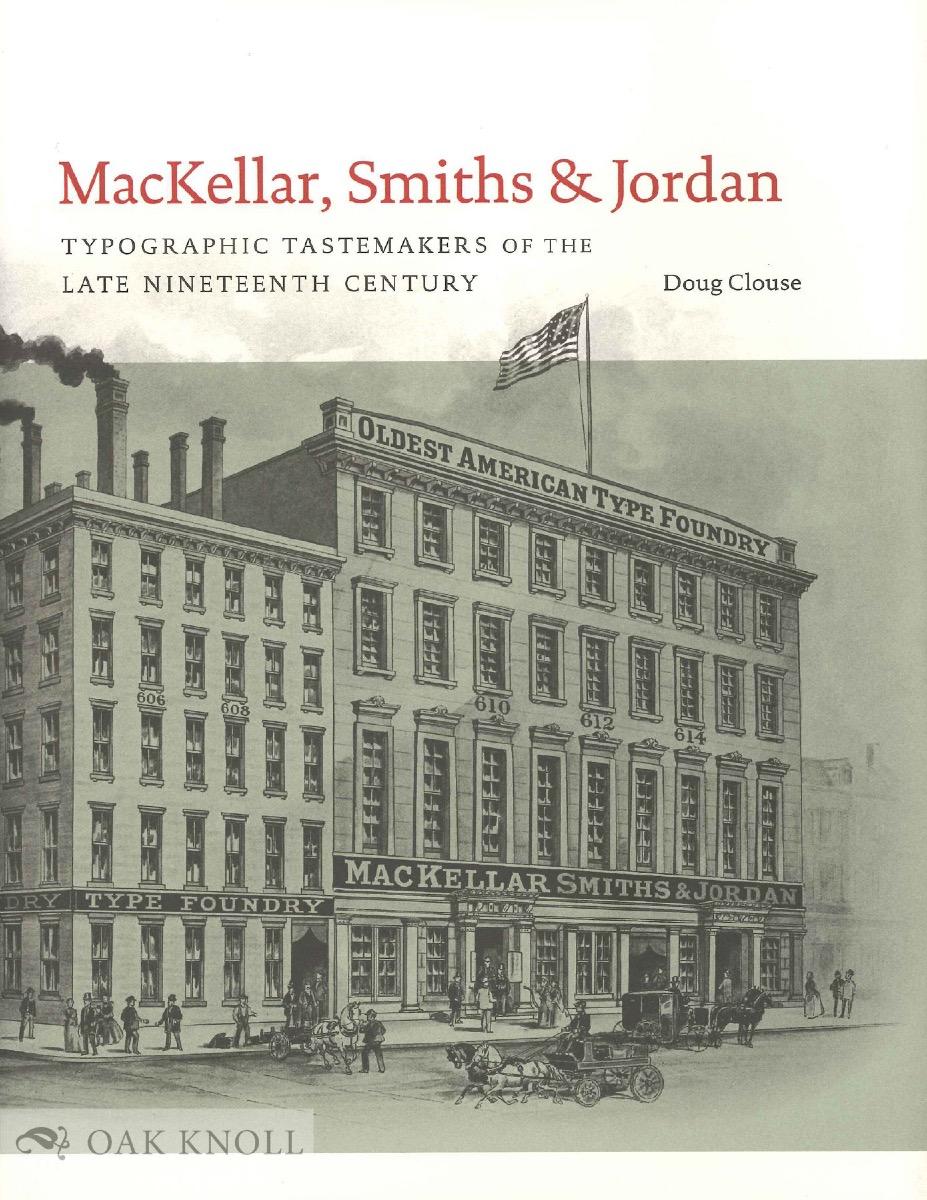
This study of America’s leading type foundry of the nineteenth century, MacKellar, Smiths & Jordan, emphasizes the design of the hundreds of typefaces that were produced by the foundry, from its inception in the 1860s until its merger with most other American foundries at the end of the century. The author describes how changing business conditions and technical improvements in type founding interacted with changes in public taste over the decades to modify the appearance of American typefac
- Typographic Tastemakers of the Late Nineteenth Century
-
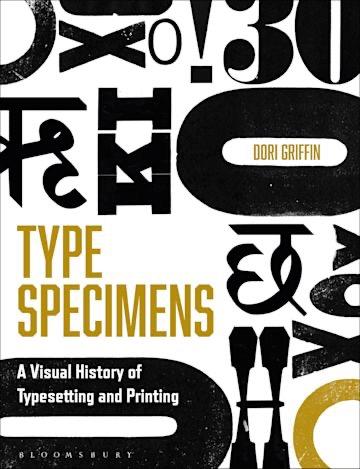
Type Specimens introduces readers to the history of typography and printing through a chronological visual tour of the books, posters, and ephemera designed to sell fonts to printers, publishers, and eventually graphic designers. This richly illustrated book guides design educators, advanced design students, design practitioners, and type aficionados through four centuries of visual and trade history, equipping them to contextualize the aesthetics and production of type in a way that is pra
- A Visual History of Typesetting and Printing
-
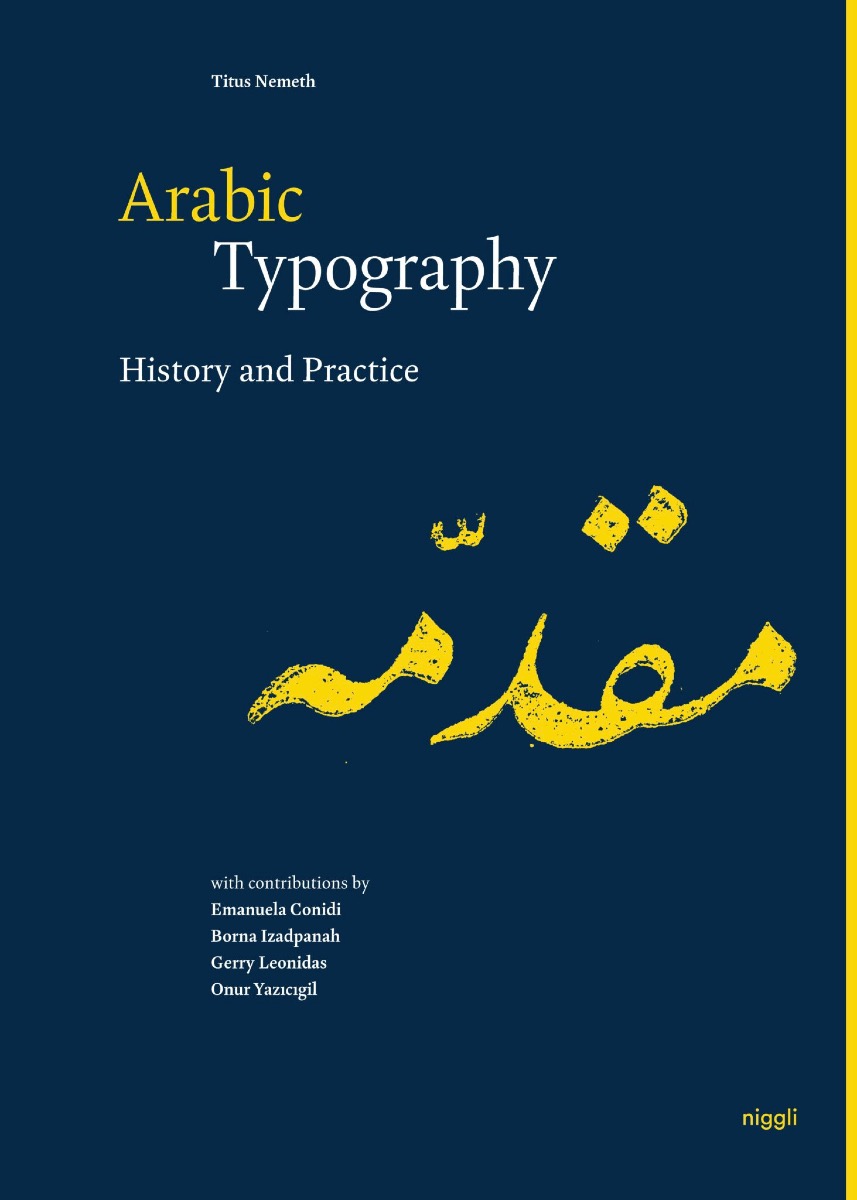
Although Arabic is the third-most widely used script in the world, there is a lack of sound typographic literature. This publication is a multi-disciplinary reference work that combines the latest academic research with applied typography. The focus on elements that pertain specifically to Arabic typography prevents overlapping with the comprehensive literature on Latin script typography, making the book relevant and accessible to the widest possible audience. The first part provides an in-depth
- History and Practice
-
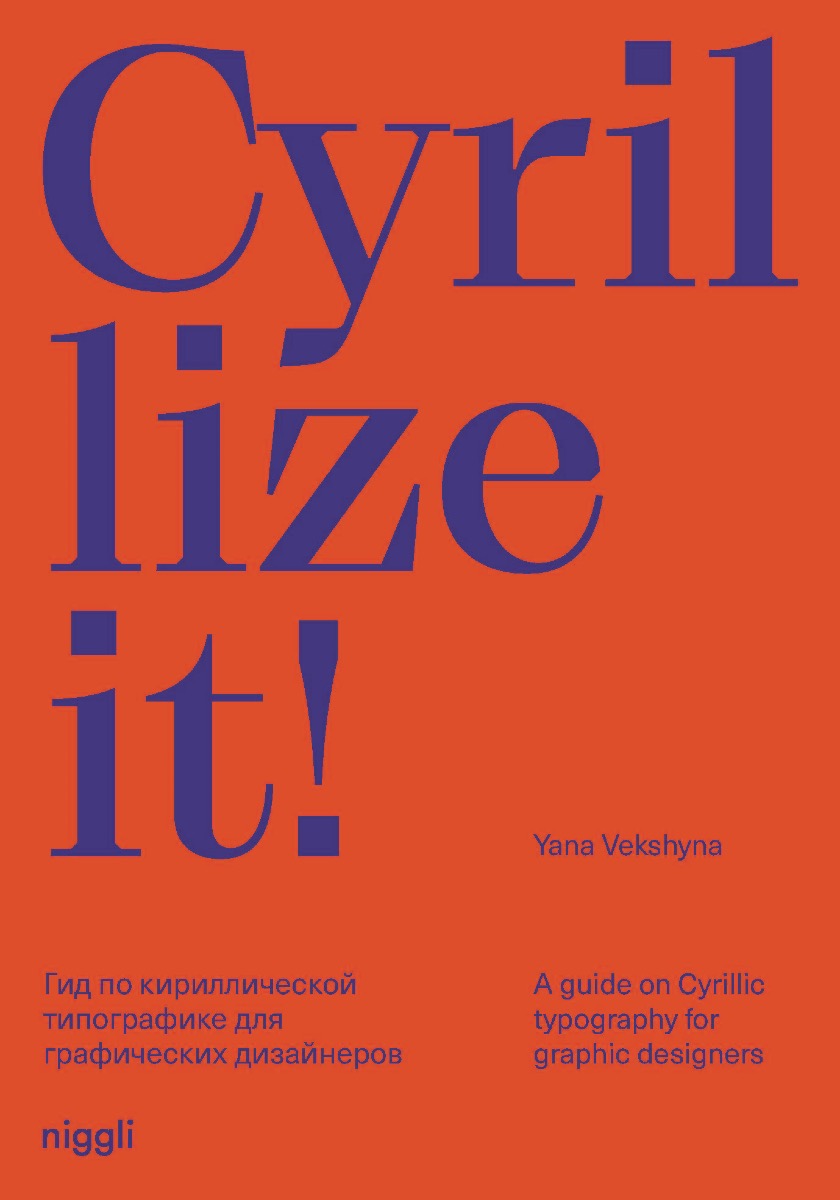
Cyrillic is a script used in numerous primarily eastern and southern Slavic languages in Europe and Asia. “Cyrillize it!” is an introductory work for graphic designers who are not native to the Cyrillic script, and cannot read Cyrillic-based languages. The book offers a method of dealing meaningfully and successfully with writing systems other than your own. The approach is based on constantly drawing parallels between Latin and Cyrillic, thus making a foreign script more familiar to non-native
- A guide on Cyrillic typography for graphic designers
-
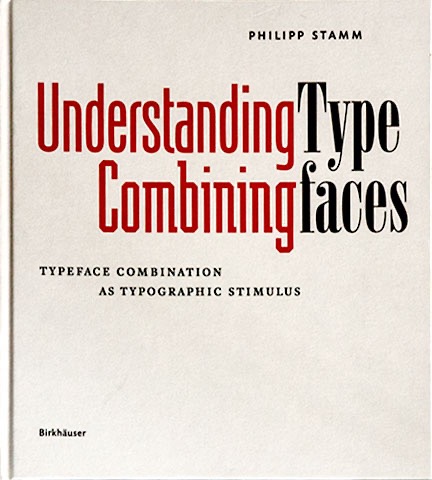
Combining typefaces is one of the great challenges and, at the same time, a continuing allure for typographers and designers: is it meant to be extravagant or should it only be carried out to a limited degree or, ideally, not at all? Which fonts harmonize with each other, and which don't? Which ones complement each other or even enhance each other? There are few answers to be found in the professional literature. This handbook demonstrates that it is possible to determine criteria for the c
- Typeface Combination as a Stimulus in Typography
-
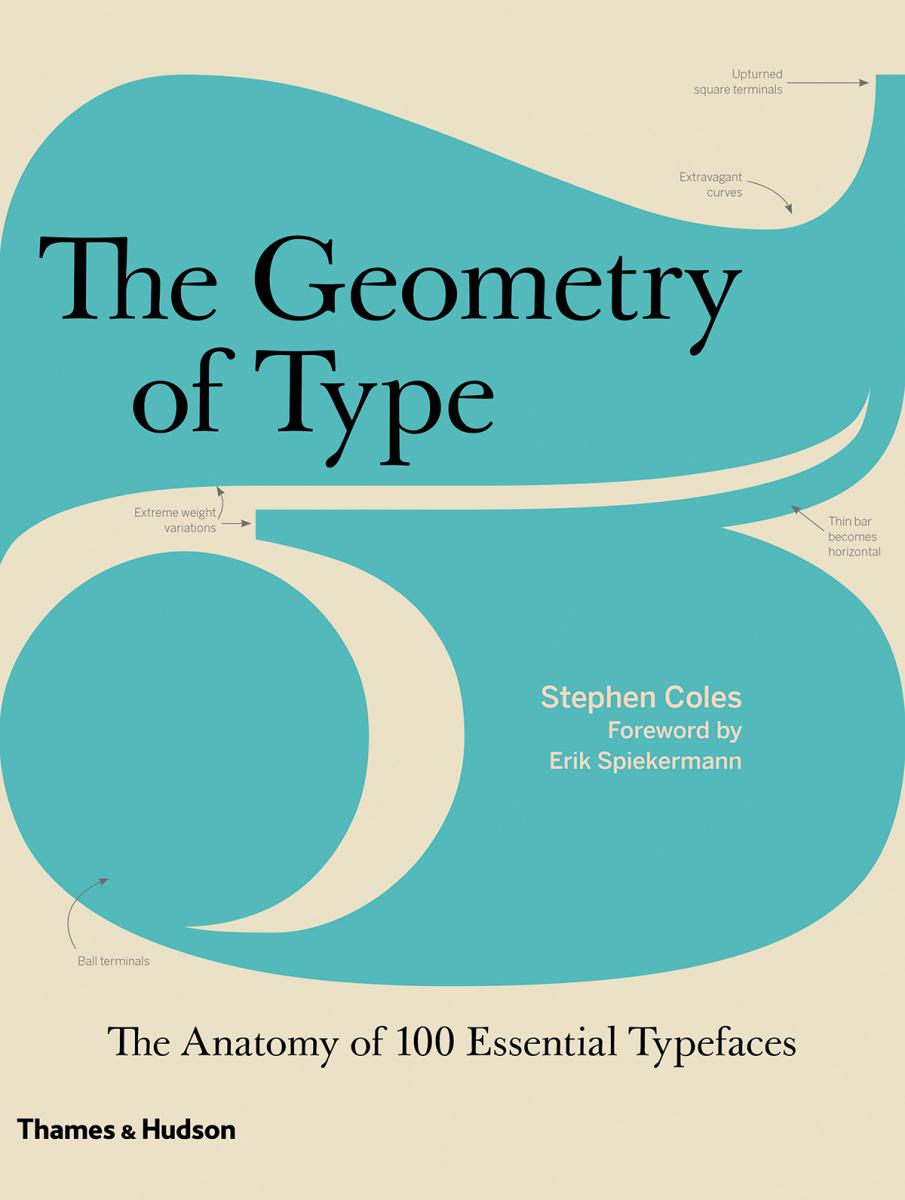
The Geometry of Type explores 100 traditional and modern typefaces in loving detail, with a full spread devoted to each entry. Characters from each typeface are enlarged and annotated to reveal key features, anatomical details, and the finer, often-overlooked elements of type design, which shows how these attributes affect mood and readability. Sidebar information lists the designer and foundry, the year of release and the different weights and styles available, while feature boxes explain the o
- A Graphic Guide to 100 Typefaces
-
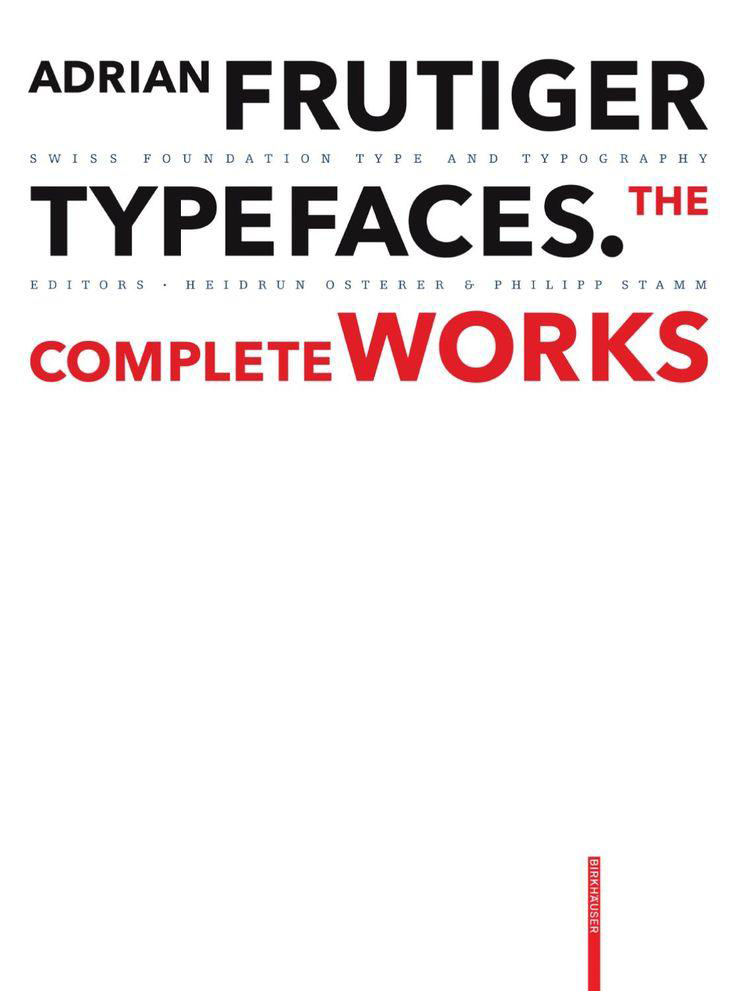
The Swiss type designer Adrian Frutiger decisively influenced the international creation of typefaces after 1950. His Univers typeface and the machine-readable font OCR-B are milestones, as is his type for the Paris airports, which evolved into the Frutiger typeface. All set new standards for signage types. In all, he created some fifty types, including Ondine, Méridien, Avenir, and Vectora. Based on conversations with Frutiger himself and on extensive research, this publication provides a
-
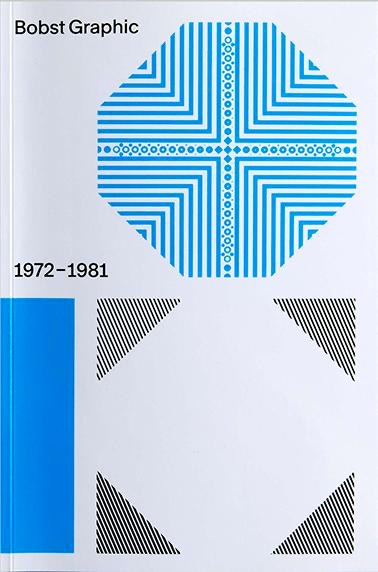
In the early 1970s, the Swiss packaging company Bobst S.A. began to wonder whether it would be ready for the future with only one product type. The Lausanne-based company, already far advanced in terms of packaging manufacturing technology, decided to launch phototypesetting machines. Thanks to the participation of some of the best font designers in the country, e.g. Team 77, different font families were developed for the new technique. The history of Bobst Graphic – a pioneering feat
-
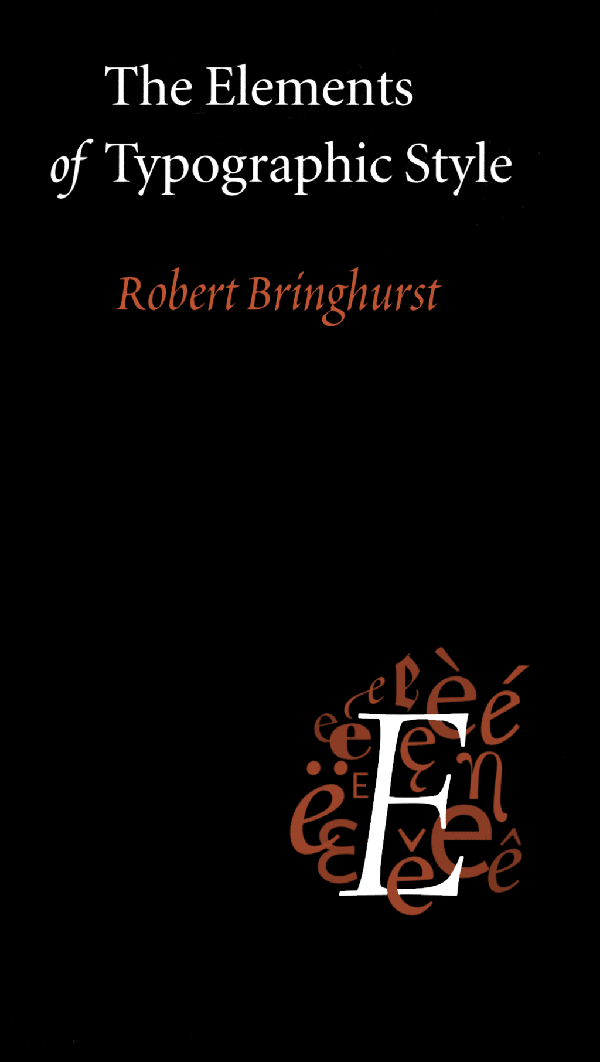
Renowned typographer and poet Robert Bringhurst brings clarity to the art of typography with this masterful style guide. Combining the practical, theoretical, and historical, this edition is completely updated, with a thorough revision and updating of the longest chapter, “Prowling the Specimen Books”, and many other small but important updates based on things that are continually changing in the field.
-
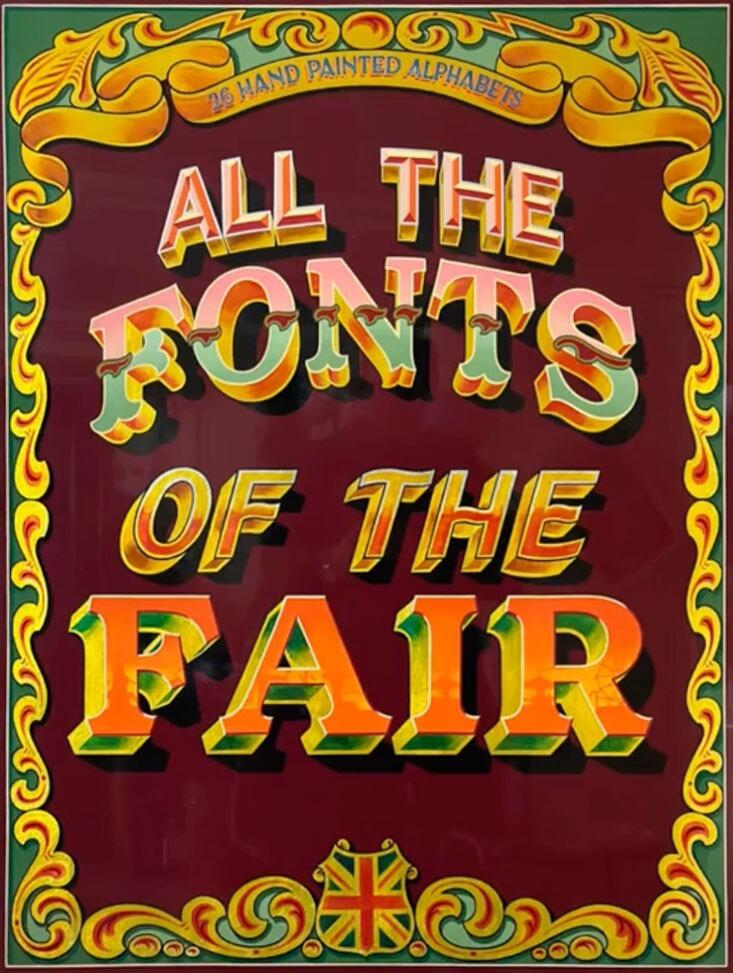
All the Fonts of the Fair, Joby Carter’s second book, takes a deep dive into fancy lettering styles found at traditional British fairgrounds up until the 1960s. Many of these vibrant, whimsical designs are missing from graphic design manuals and typography archives. This book helps continue their legacy and give them a new lease of life. This full colour book includes 26 hand drawn fairground inspired alphabets. Each alphabet has a reference guide with tips on how to accurately recreate the
-
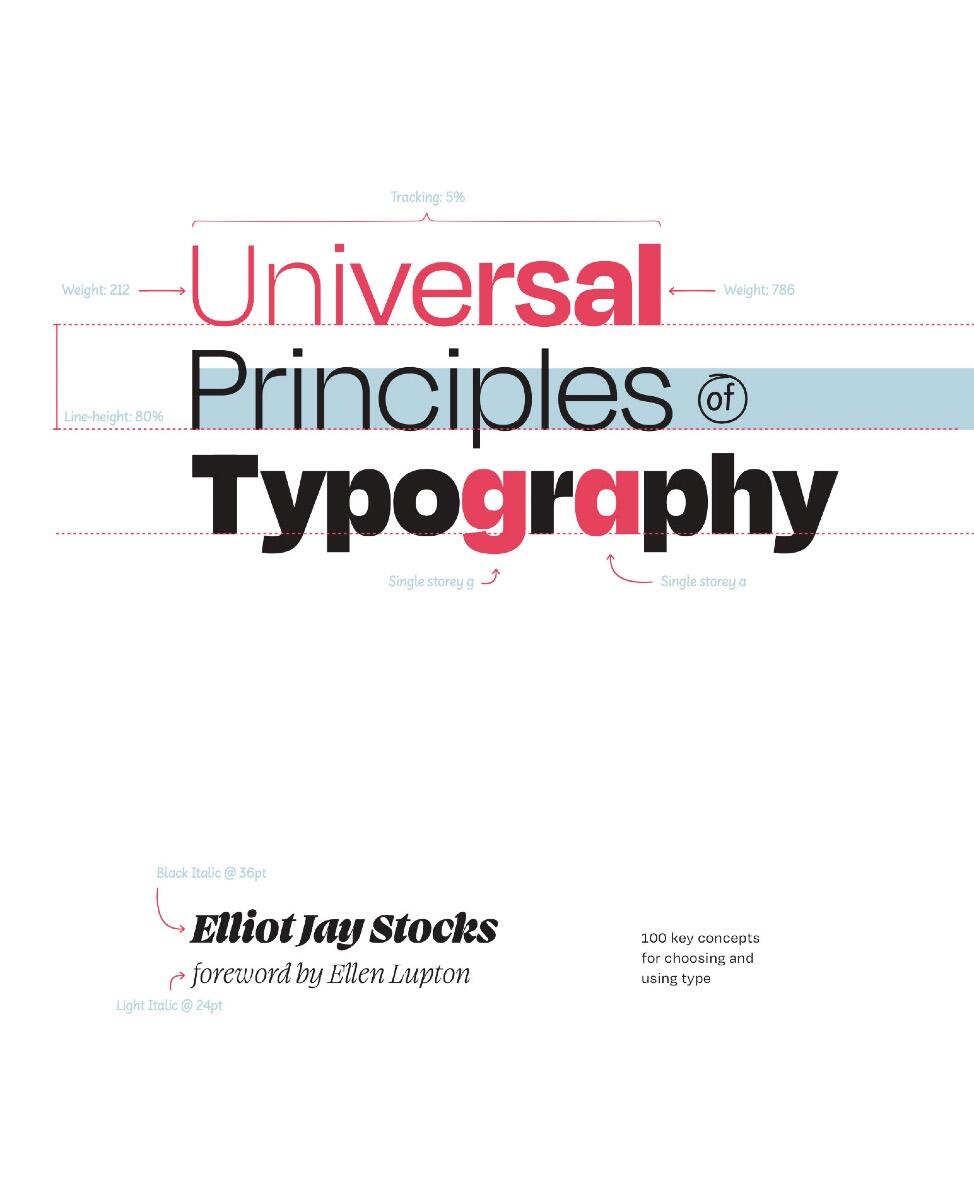
Explore 100 key concepts, theories, and guidelines that are critical for choosing and using type. We communicate with text every single day, but what does it mean to really understandtype—to use it with clear intent and purpose? The art and science of typography combines subtle tweaks to line lengths with harmonious combinations of weights and styles; considered typeface pairings with a robust set of alternate characters; exciting technological advances with the realities of font licensing.
- 100 Key Concepts for Choosing and Using Type
-
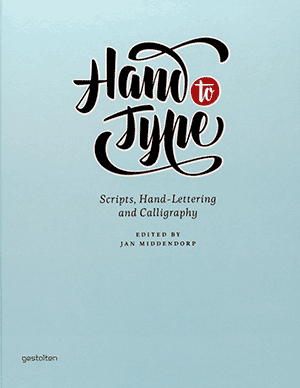
Although, or perhaps because, most of us write less and less by hand, our fascination for handwritten letterforms is growing. Typeface designers who specialize in traditional, charming, or spectacular lettering with a handmade look have become role models for today's young typographers and graphic design students. Script fonts--digital type families based on handwriting--are among the most sought on the typography market today. Scripts from the past, be it 18th-century formal calligraphy or adve
- Scripts, Hand-Lettering and Calligraphy
-
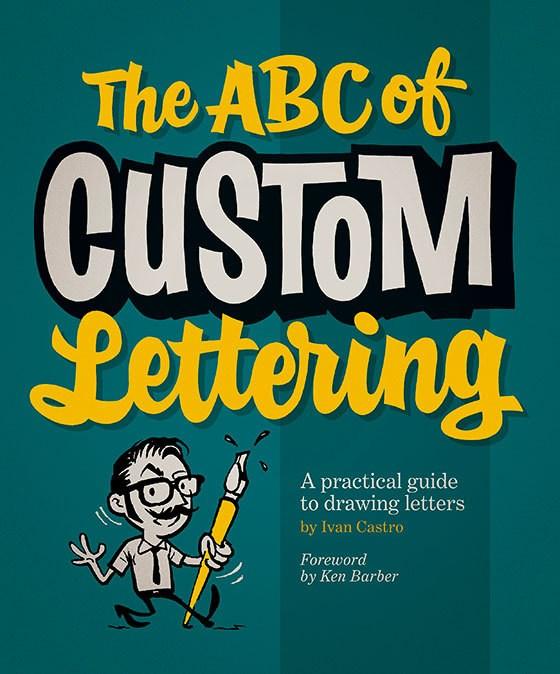
Need to produce a flyer? Want to draw up a logo for a band? Does your local speed shop need a T-shirt design? Don’t want to use the same old computer fonts? Well, let graphic designer and typography teacher Ivan Castro show you The ABC of Custom Lettering. This practical workbook features easy-to-follow, step-by-step guidance on hand drawing a range of letterforms, from Modern Roman and Gothic to Latin, Script, and Interlocked. It uses traditional instruction methods with a modern twist, and inc
-
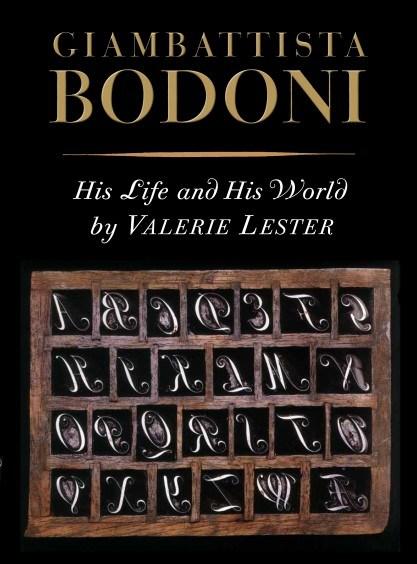
This is the first English-language biography of the relentlessly ambitious and incomparably talented printer Giambattista Bodoni (1740–1813). Born to a printing family in the small foothill town of Saluzzo, he left his comfortable life to travel to Rome in 1758 where he served as an apprentice of Cardinal Spinelli at the Propaganda Fide press. There, under the sponsorship of Ruggieri, his close friend, mentor, and protector, he learned all aspects of the printing craft. Even then, his real talen
-
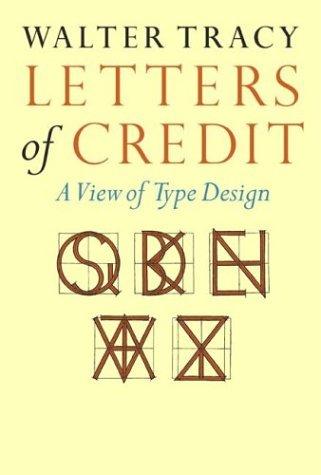
THE REVOLUTION in typesetting - a revolution that over the past two decades has eliminated a five-hundred-year-old system of hot metal production and replaced it with one of photo-generated and computer-driven composition - shows no sign of winding down. This book, more than any other we know, traces the steps that went into that revolution and simultaneously makes the argument that the letter forms themselves are in process of evolution. Tracy argues that, whether they are of the sixteenth or t
- A View of Type Design
-
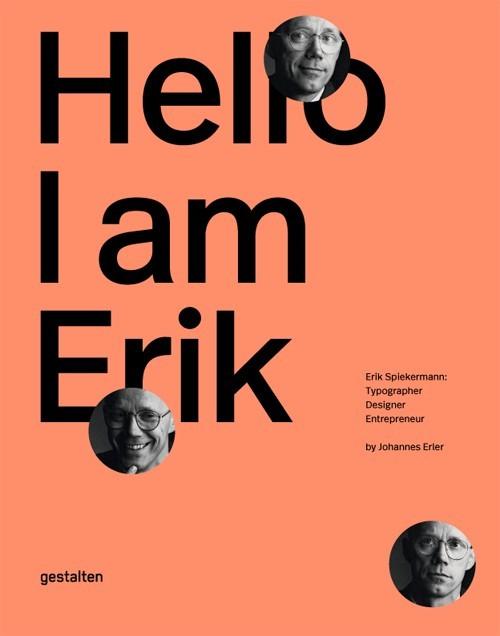
Erik Spiekermann is the epitome of a typographer. With his typefaces, commercial projects, and enterprises, he has shaped the world of graphic design like no other. This comprehensive book is the first to showcase his body of work and tell the story of his life. Hello, I am Erik is the first-ever visual biography of Erik Spiekermann s work. The book documents his projects, traces milestones in his life, and offers his personal perspectives on design. Essays by notable designers and authors
- Typographer, Designer, Entrepreneur
-
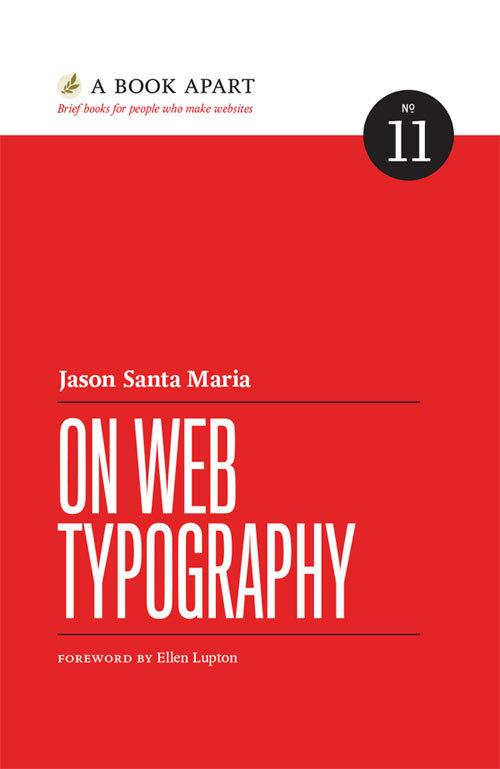
Typography is your design's voice and the most powerful tool you have to communicate with your readers. Learn how to wield type with care and wit: how to evaluate typefaces, consider technical constraints, create flexible typographic systems, and put together your own collection of favorite faces. Jason Santa Maria wants you to see type beyond code or flourishes. You'll discover how typography shapes the way we read and how you can adapt the craft's practices for the screen. So go ahead. Choose,
-
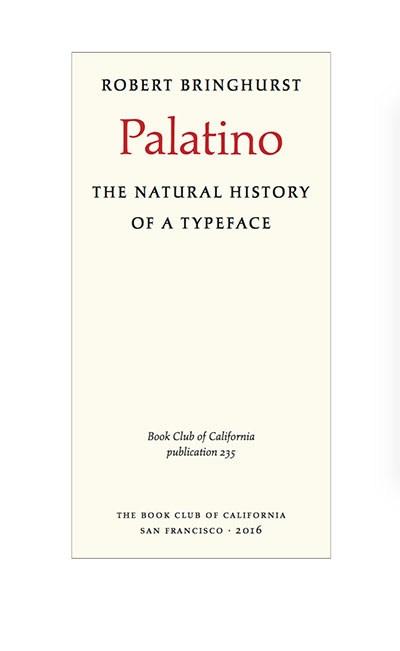
Written and designed by poet, linguist, and typographer Robert Bringhurst, Palatino is a definitive account of Hermann Zapf’s most ambitious and enduring design project. This book provides a detailed and sumptuously illustrated history of the evolution of all members of the Palatino tribe: foundry Palatino, Linotype Palatino, Michelangelo, Sistina, Aldus, Heraklit, Phidias, American Palatino, Enge Aldus, Linofilm Palatino, Zapf Renaissance, PostScript Palatino, Palatino Nova, Aldus Nova, an
- The Natural History of a Typeface
-
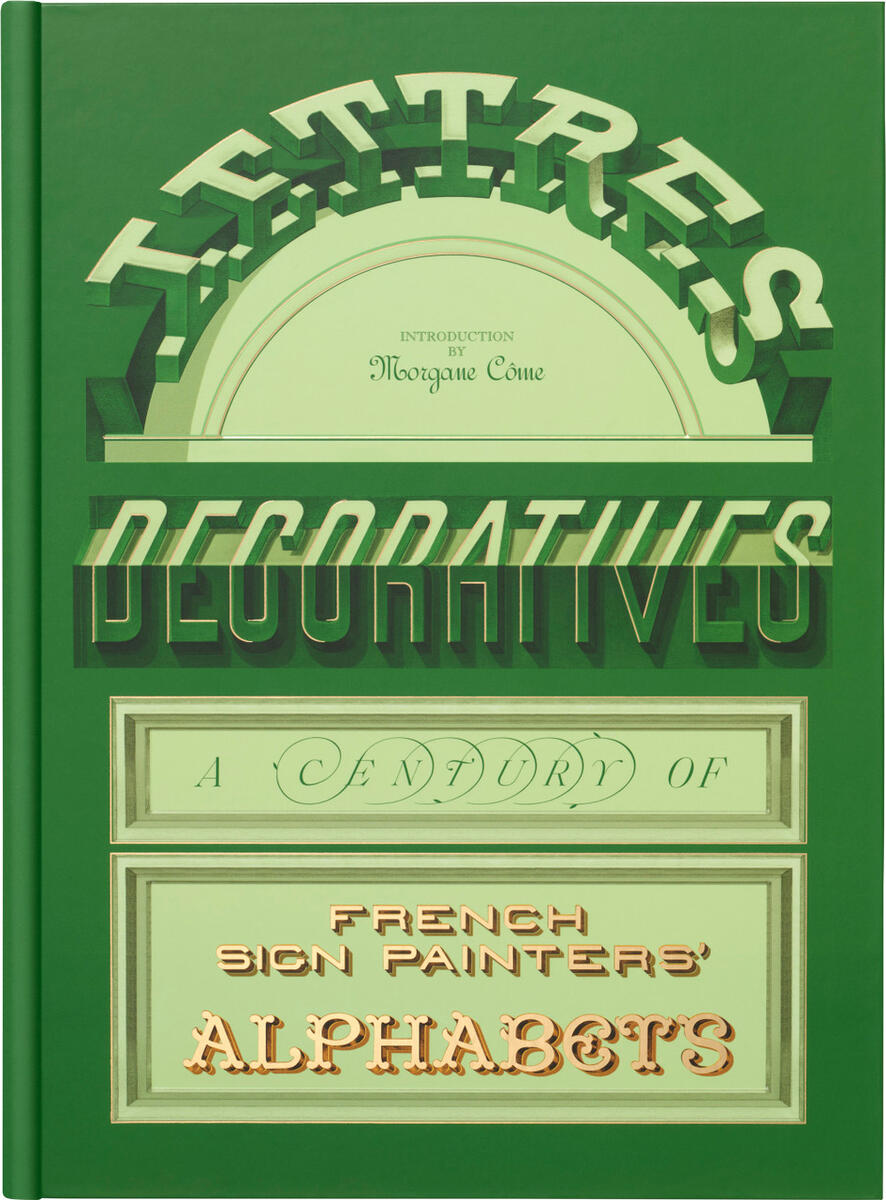
From the Age of La Peinture en Lettres — A kaleidoscopic survey of letterforms from nineteenth- and twentieth-century France, Lettres Décoratives includes more than 150 plates from grand lithographic albums printed at the height of the sign painter’s craft. Originally made to demonstrate styles and inspire artists to decorate cities with increasingly colorful, adventurous, and refined forms, these portfolios preserve a rich visual history of urban alphabets. An introduction by practitioner Morga
-
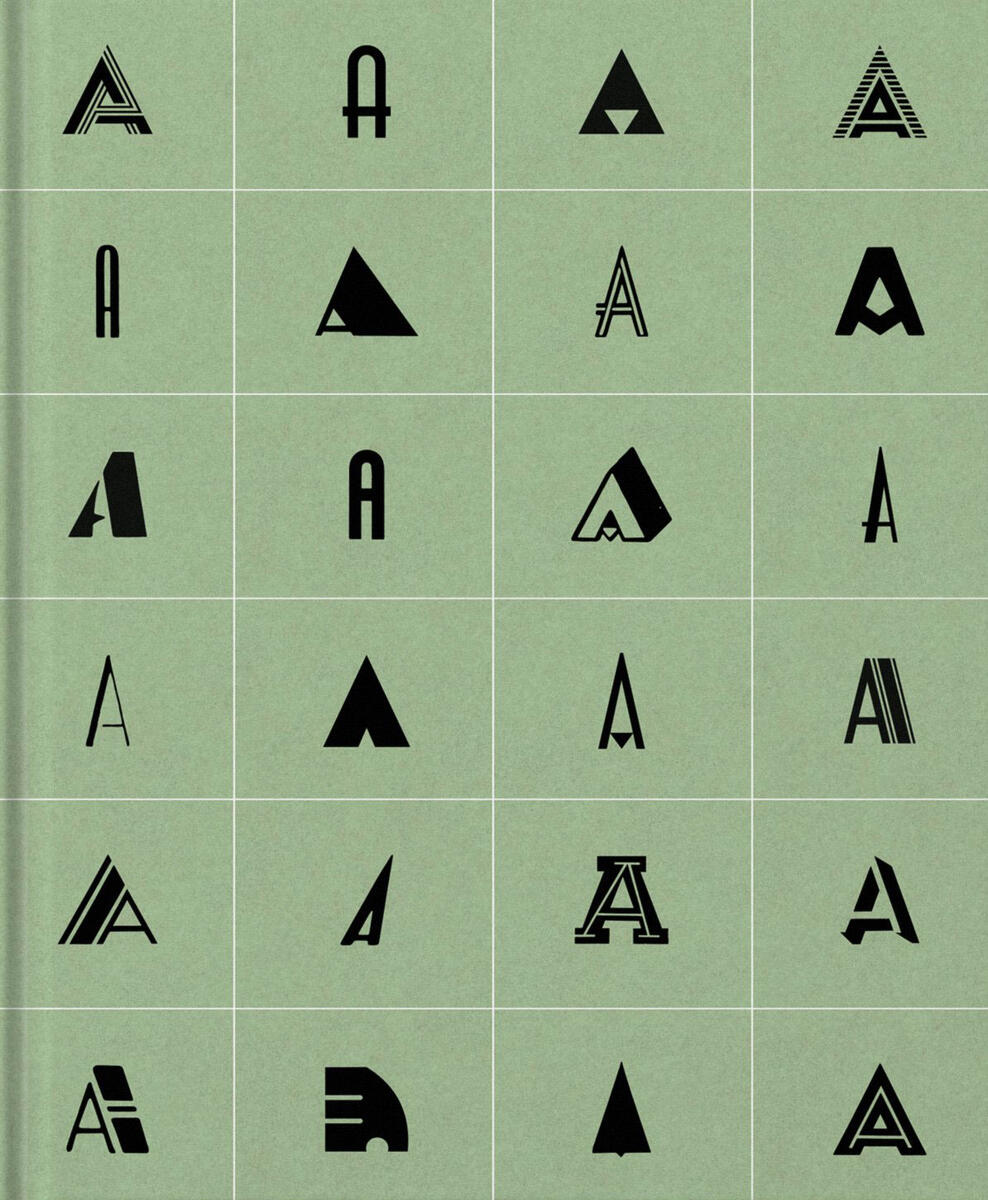
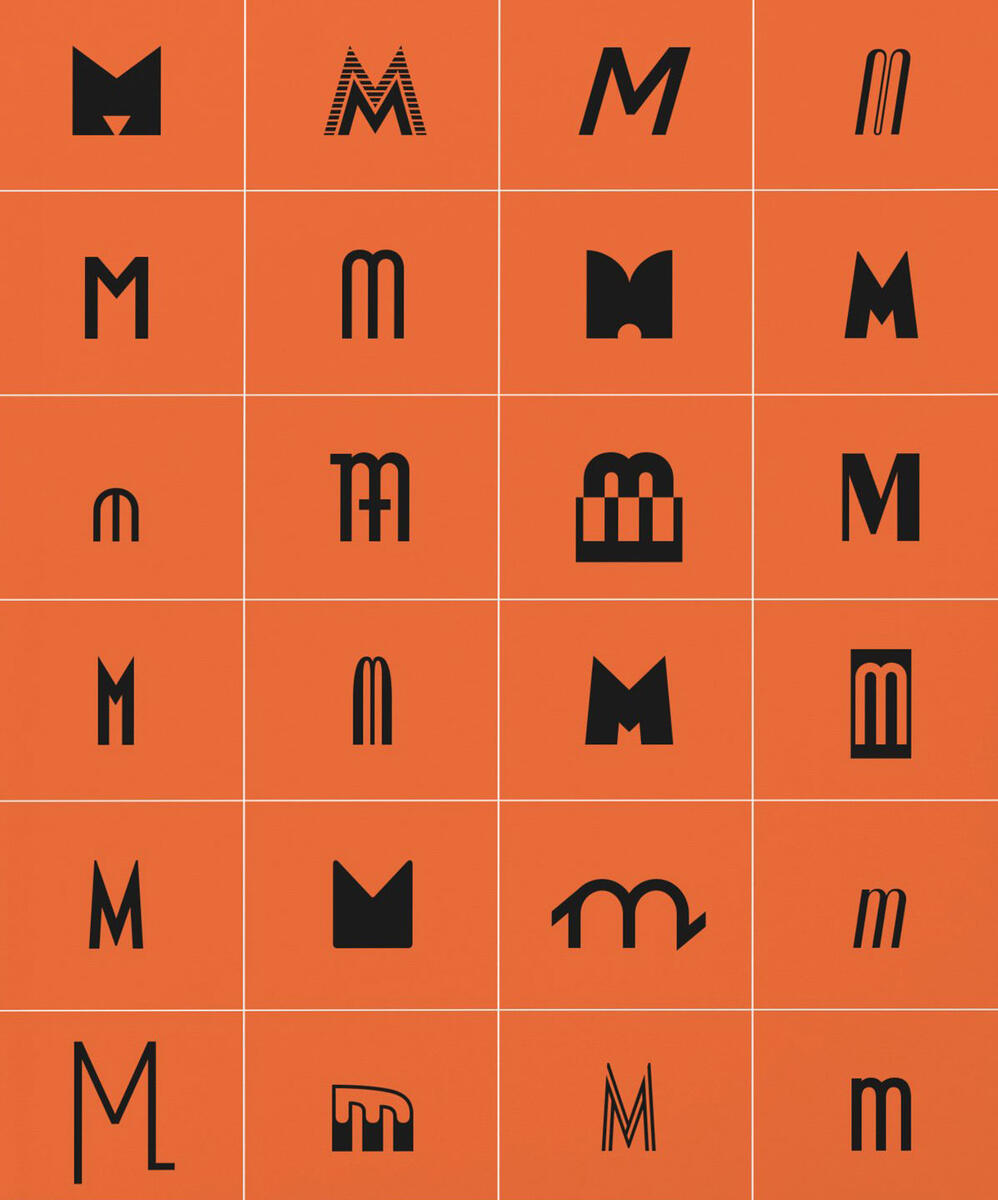
For at least a dozen years, Luca Lattuga has been collecting and cataloguing metal and wooden movable type produced in Italy between the 1920s and 1940s. During his research, he rediscovered a recurring and consistent style, hitherto little considered, that characterized that period. Although widespread at the time, this style, which originated in the printing workshops, remained in the shadows for decades. These lesser-known typefaces coexisted alongside the famous types from historic foundries
-
Alfabeti Modernisti Type Specimens illustrates twenty-five digital revivals based on wooden and lead typefaces produced in Italy in the 1930s and 1940s, documenting a research and enhancement project that intertwines memory and design and gives new voice to a little-explored chapter of Italian graphic design. Very popular at the time but now forgotten, the typefaces have been recovered by Luca Lattuga over a period of more than ten years. Reissued by the CAST type foundry, available for purchase
-
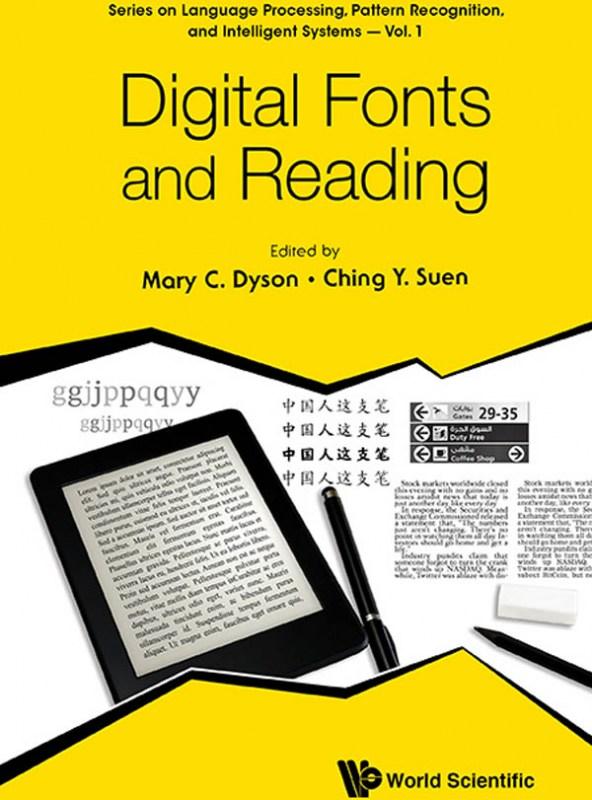
The book is a collection of invited chapters by renowned experts and is part of a series on Language Processing, Pattern Recognition, and Intelligent Systems. The content is wide-ranging, encompassing perspectives from computer science to social science to design and reflecting the considerable experience of researchers, teachers and practitioners. This diversity offers rigorous approaches to the topic of Digital fonts and reading, organised in four sections: vision and reading; scientific appro
-
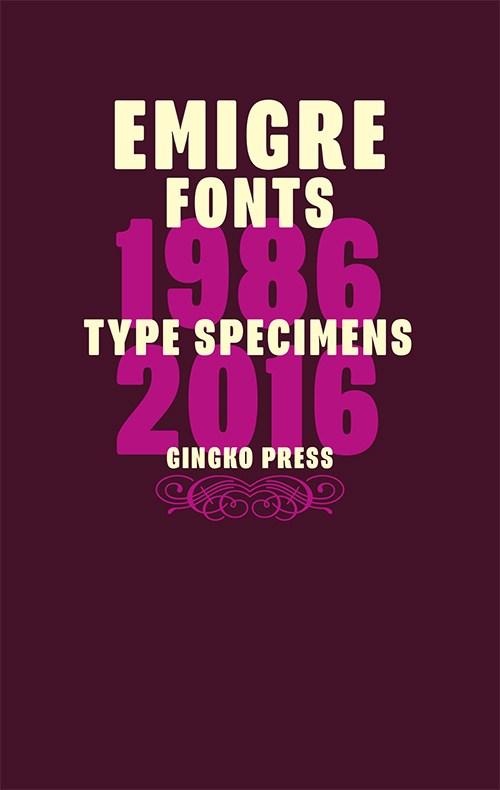
This book is a 752-page compilation celebrating the art of the type specimen. It features reprints of Emigre's most remarkable specimen designs covering a period of 30 years. Besides displaying the virtues of the fonts and revealing the processes used to design them, these specimens go beyond their primary function as sales tools and can be enjoyed as much for the typefaces as for their esoteric content. If your collection of Emigre's popular type specimens is incomplete, or if you've missed out
-
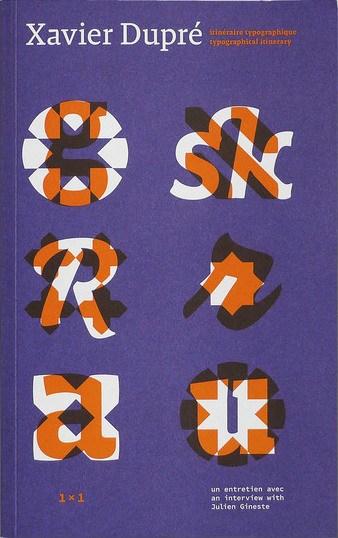
- itinéraire typographique / typographical itinerary
-
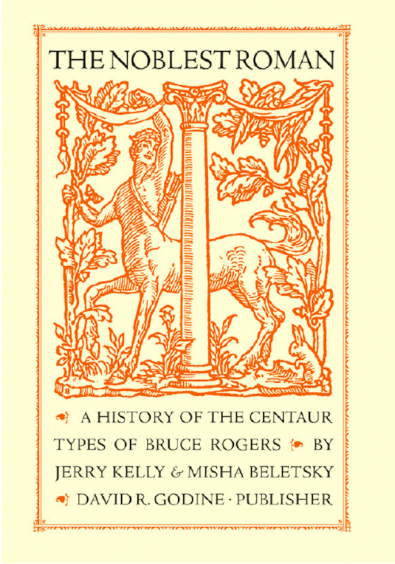
Bruce Rogers was a towering figure in the history of graphic arts, and remains one of the most important American book designers of the twentieth century. The unrivaled subtlety of his style also sets apart Rogers’s most widespread accomplishment, the Centaur type. This type was born of the late-nineteenth-century quest to create a modern revival of Nicolas Jenson’s humanist roman of 1470, long held by scholars to be both the origin and the apogee of the Venetian roman, and which has inspired de
- A History of the Centaur Types of Bruce Rogers
-
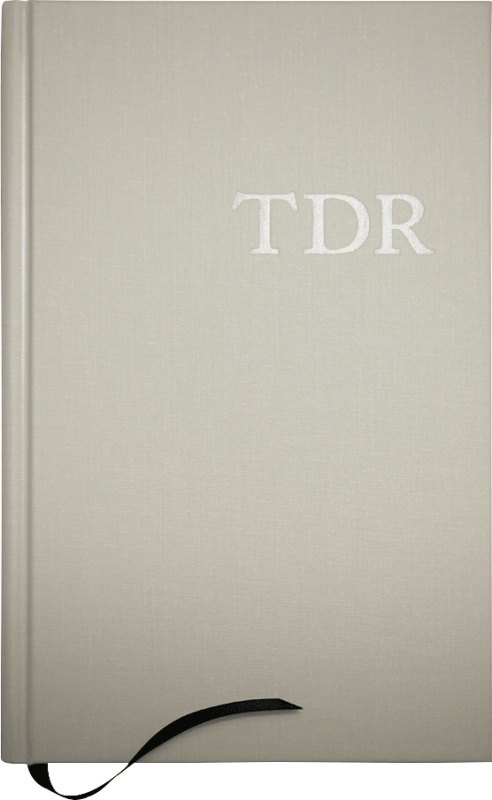
A reference guide of typographic terms and classification with definitions of form and usage for Latin based writing systems. The TDR is an encyclopedia, listing countless entries on the typographic arts. http://typedeskref.com/
-
The Insects Project is a product of a collaborative research aimed at sharing knowledge about Central European typography and promoting design that is sensitive to the needs of all those who are unlucky enough to be native users of Czech, Hungarian, Polish and Slovak. Perhaps few users of “diacriticless” languages (such as e.g. English) realise how lucky they are to be able to choose from literally thousands of typefaces. Central Europeans, on the other hand, are nowhere near as spoiled for
- Problems of Diacritic Design for Central European Languages
-
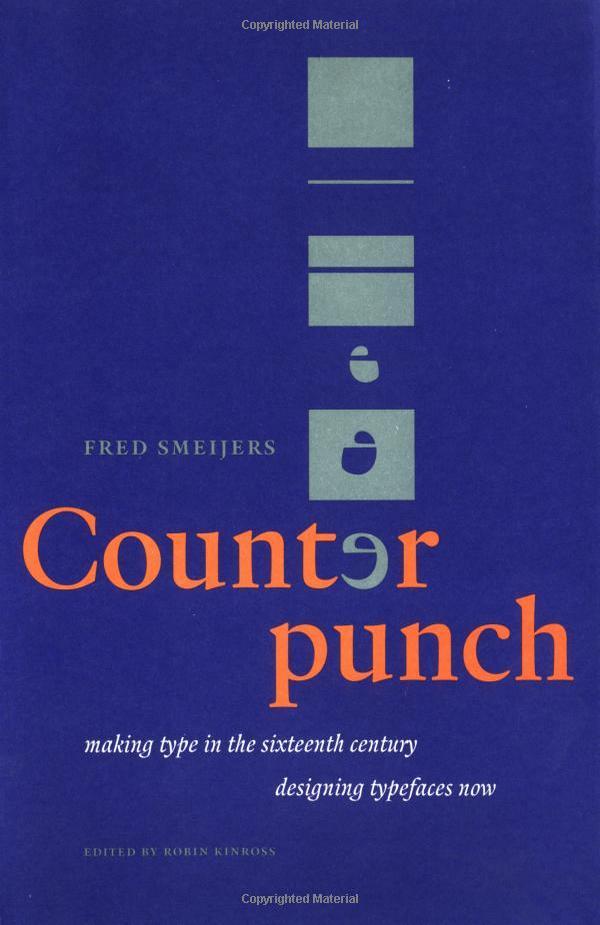
Counterpunch is both an explanation of the 16th-century method of cutting metal type and an impassioned plea for contemporary designers to incorporate the lessons of history as a means of creating typography in our digital age. Smeijers sees the counterpunch technique as essential for ensuring the regularity of form, repeatability, and speed of production necessary for rational design. Smeijers traces the history of letterform design to discover how technique influenced the shape of type, w
- Making Type in the 16th Century
-
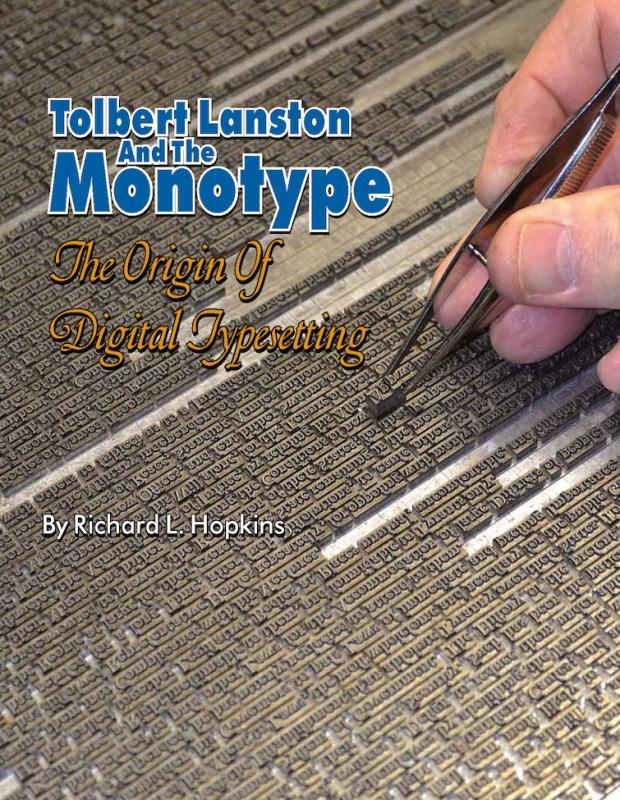
This special hardback edition is limited to 300 copies. It includes a 24-page Monotype letterpress keepsake booklet, Going with Goudy to Philadelphia, composed, printed in several colors, and signed by Richard Hopkins. Tolbert Lanston and the Monotype is printed in full color, with more than three hundred photos and illustrations, 232 pages, plus several appendices and index. Tolbert Lanston, at the end of the nineteenth century, was a man obsessed with the idea of creating a machine which wo
- The Origin of Digital Typesetting
-
This study is a fascinating inside look at digital type design, the rather mysterious career of one of its most important practitioners, and the history and culture of Adobe Type, with additional insight into other type designers of the digital era. It is difficult to imagine a graphic designer in the last quarter century who is not familiar with at least some of Carol Twomblys typefaces. Yet many of those who use her fonts today would be hard pressed to name their designer. Twombly studied at t
- Her brief but brilliant career in type design
-
In 2016 type designer, software developer, and lecturer Frank E. Blokland successfully defended this PhD dissertation at Leiden University. Blokland’s research is conducted to test the hypothesis that Gutenberg and consorts developed a standardised and even unitised system for the production of textura type, and that this system was extrapolated for the production of roman type in Renaissance Italy. For roman type, Humanistic handwriting was moulded into a prefixed standardised system already dev
-
Dutch Alphabets is a portfolio containing 47 broadsides featuring new samples of lettering and writing by today’s most significant ‘Dutch’ lettering artists, type designers, calligraphers and sign painters. All the contributors are working and/or educated in the Netherlands. This collection of lettering has been compiled by Mathieu Lommen (University of Amsterdam) & Peter Verheul (Royal Academy of Art, The Hague), and was published in a limited edition. It showcases a wide variety of let
- compiled by Mathieu Lommen and Peter Verheul
-
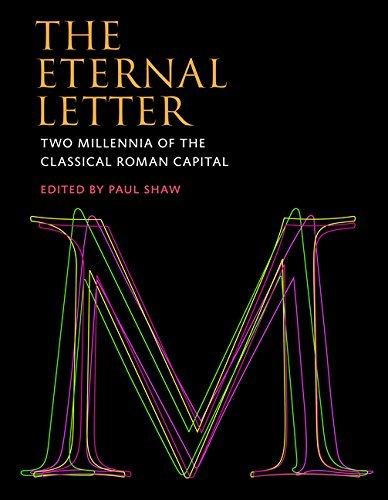
The fiftieth anniversary of Helvetica, the most famous of all sans serif typefaces, was celebrated with an excitement unusual in the staid world of typography and culminated in the release of the first movie ever made starring a typeface. Yet Helvetica’s fifty-year milestone pales in comparison with the two thousandth anniversary in 2014 of Trajan’s Column and its famous inscription — the preeminent illustration of the classical Roman capital letter. For, despite the modern ascendance of the san
-
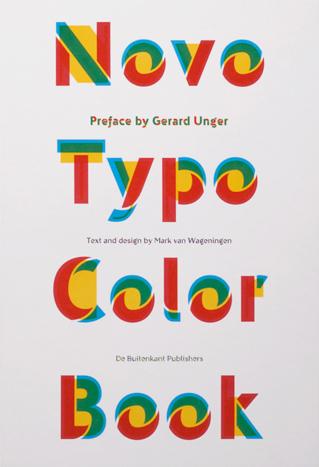
‘Why do type designers traditionally think in black and white?’ Are typographers and type designers really black-and-white thinkers? Are they really so conservative as to think that text in books, periodicals, newspapers and other print, including the text on your laptop, tablet or mobile phone, should always be black? There’s plenty of color in the print media, at least in illustrations, and occasionally we come across a color headline. Traditionally, texts in manuscripts were written in b
- ‘Color will be the new Italic. Color will be the new Bold.’
-
Eric Gill’s opinionated manifesto on typography argues that “a good piece of lettering is as beautiful a thing to see as any sculpture or painted picture”. This essay explores the place of typography in culture and is also a moral treatise celebrating the role of craftsmanship in an industrial age. Gill, a sculptor, engraver, printmaker and creator of many classic typefaces that can be seen around us today, fused art, history and polemic in a visionary work which has been hugely influential on m
-
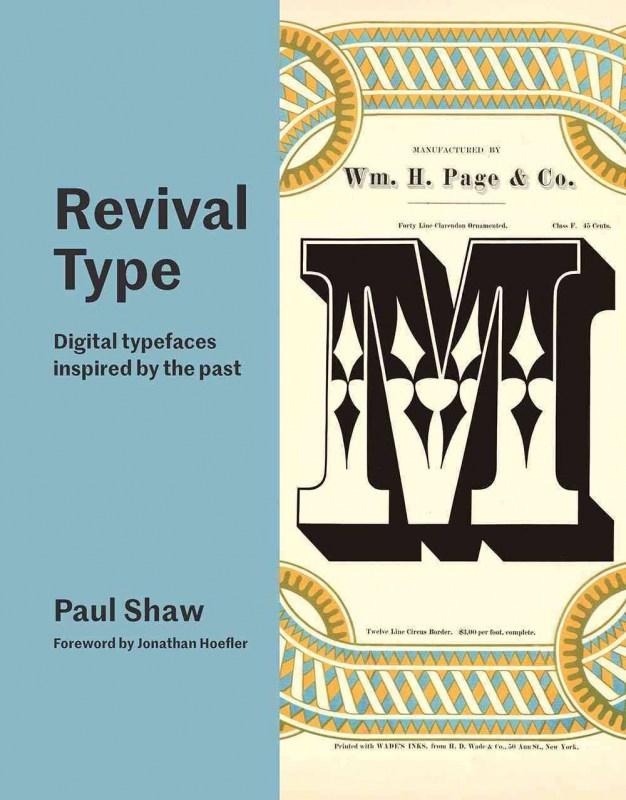
A wide-ranging survey of revival typefaces focusing on digital fonts with roots in the past Examples in 'Revival Type' include direct revivals of metal and wood typefaces, while others are looser interpretations of older typefaces. Among the fonts are interpretations of classic designs by Nicolas Jenson, Claude Garamont, Robert Granjon, William Caslon, John Baskerville, Giambattista Bodoni, Firmin Didot and other iconic names. Alongside them are typefaces rooted in the work of important, th
- Digital typefaces inspired by the past
-
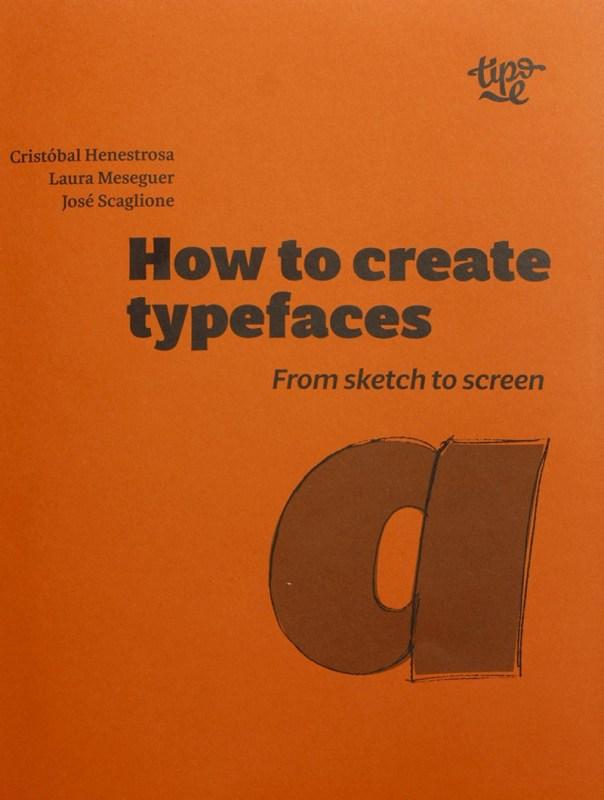
How are typefaces designed? What is the process? Which characters are essential? What is the difference between roman, italic and cursive? What is OpenType? In How to create typefaces Cristóbal Henestrosa, Laura Meseguer and José Scaglione answer these and many other questions in a straightforward and direct way. This publication, aimed at new and novice type designers as well as those trained in the field, unravels the fascinating task of creating a font, from sketch to screen. Content
- From sketch to screen